Dual diagnosis treatment means treating a substance use disorder and a mental health condition at the same time, in one integrated program, with one clinical team. According to MedlinePlus, it is usually better to treat both conditions together rather than separately. That is exactly how the program at Boca Recovery Center Englewood, NJ is built: one assessment, one plan, and a team that treats the whole person.
Why Treating One Without the Other Fails
The two conditions feed each other. Untreated depression, anxiety, or trauma keeps pulling a person back toward the substance that quiets the symptoms. Untreated substance use keeps destabilizing the mood, sleep, and clarity that mental health care depends on. Treat only one, and the other keeps undoing the progress. The National Institute of Mental Health points to integrated care, which combines mental health and substance use treatment in one place, as the path to coordinated, effective help for both.
How Integrated Care Works at Boca Recovery Center Englewood
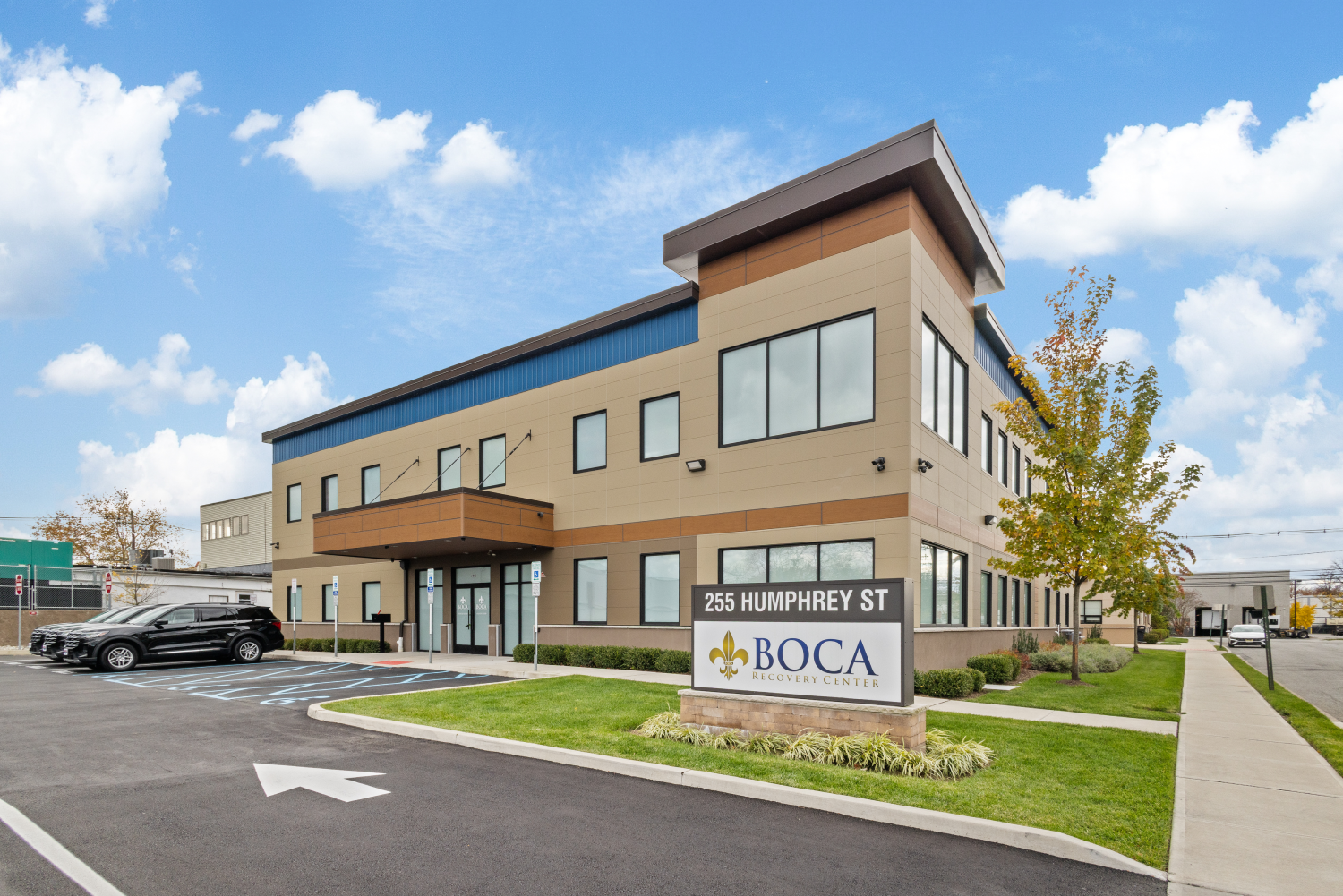
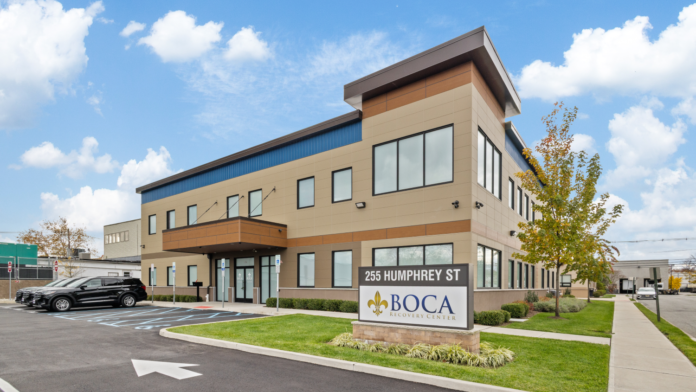
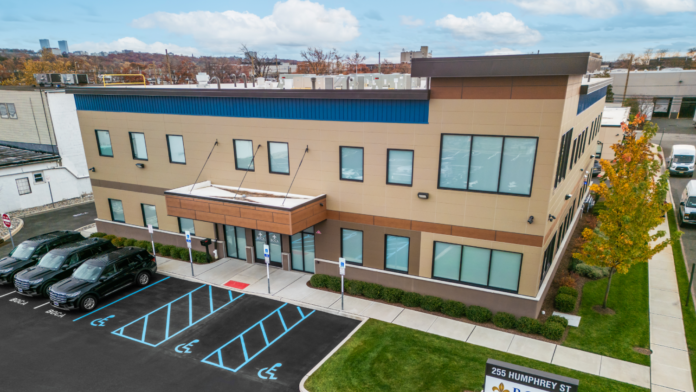
Your treatment starts with a thorough assessment that examines your substance use and your mental health side by side, so nothing gets missed. From there, a single team builds one plan: evidence-based therapy that addresses both conditions, psychiatric care and medication management where clinically appropriate, and group support with people working through the same double challenge. Care runs from residential treatment through partial hospitalization at our 40-bed facility at 255 Humphrey St in Bergen County, a short drive from New York City, and as you stabilize we help plan and connect you to outpatient care for the next stage of recovery.
Conditions We Treat Alongside Addiction
Our clinicians treat co-occurring conditions such as anxiety, depression, and PTSD as part of the dual diagnosis program. For continuing psychiatric support in Englewood beyond an integrated treatment episode, our Englewood mental health services team carries that work forward. If you need someone to talk to today, the SAMHSA National Helpline and New Jersey's ReachNJ line are free and confidential.
Frequently Asked Questions
What counts as a dual diagnosis?
A dual diagnosis means you have a substance use disorder and a mental health condition at the same time, such as alcohol use disorder alongside depression. Either condition can develop first.
Should the addiction or the mental health condition be treated first?
Neither one waits. Evidence supports treating both conditions at the same time in an integrated program, because progress on one is fragile while the other goes untreated. That simultaneous, coordinated approach is the foundation of our Englewood program.
Can you identify a mental health condition I did not know I had?
Yes, that happens often. Many people arrive for addiction treatment and learn during assessment that anxiety, depression, or trauma has been driving the cycle. Our intake evaluation screens for co-occurring conditions from day one so your plan reflects the full picture.
13,000+ Patients Treated
Top 10% Rehabs in the U.S.
Services
Dual diagnosis treatment at Boca Recovery Center Englewood brings addiction care and mental health care into one coordinated program.
Instead of separate providers working from separate charts, one team builds and manages a single plan that covers your substance use and your mental health together.
Our clinicians evaluate whether medication should be part of treating your mental health condition and manage it carefully alongside your recovery.
Individual sessions use approaches like cognitive behavioral therapy to work on both conditions at once: the substance use and the depression, anxiety, or trauma connected to it.
Groups connect you with people facing the same combination of challenges, which reduces shame and builds practical, shared strategies for recovery.
Treatment steps down from residential care through our partial hospitalization program, with the integrated approach intact at every on-site level. As you stabilize, your team helps plan and connect you to intensive outpatient and outpatient care for the next stage.
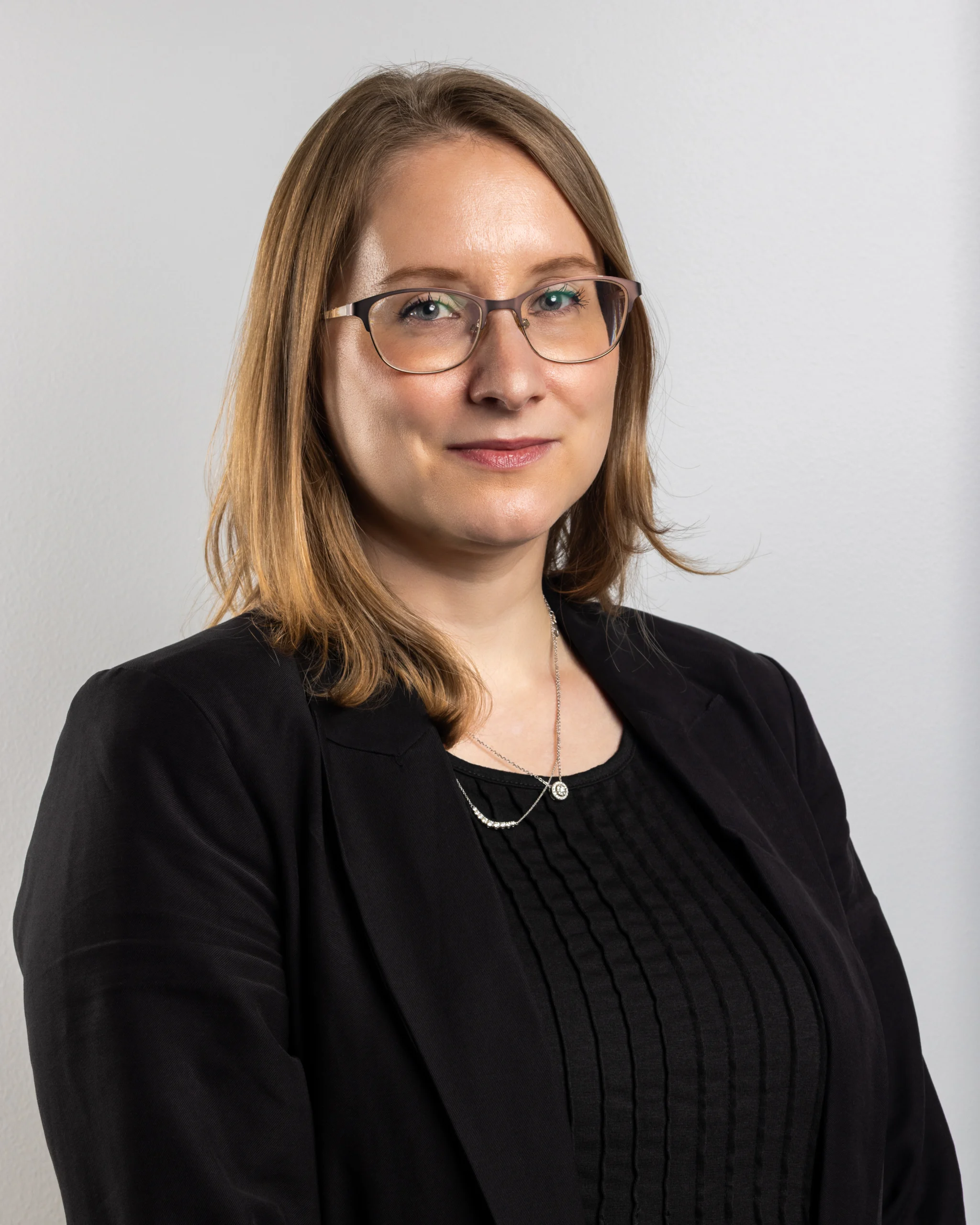
Caitlin Clementi has worked in the behavioral health field in various aspects for 16 years, beginning with an internship in her bachelor’s program in 2011. She completed her education in New Jersey, receiving a bachelor’s degree in psychology from Rider University in 2012. In 2018, after several years in the customer service industry, she began work in the substance use and mental health field full-time as an intake and admissions assistant at a detox in Hudson County.
From there, she moved to the position of clinical intern, followed by several years as a compliance and quality assurance specialist. Her most recent position was a combination of quality assurance, training, and operations management as the Director of Clinical Operations for a group of outpatient facilities across the state of New Jersey, prior to accepting the position of Director of Operations at Boca Recovery Center.
Caitlin enjoys working as part of a team of professionals to ensure clients receive the highest quality of care at one of the most vulnerable times in their lives. She is committed to a collaborative approach with a multidisciplinary team so all aspects of a client’s experience in treatment are addressed to achieve the best overall outcomes possible.
As a Licensed Professional Counselor, Licensed Clinical alcohol and drug counselor and certified clinical supervisor, I am deeply passionate about supporting individuals as they navigate the challenges of mental health and addiction. With extensive experience working with diverse populations, I understand that every person’s journey is unique and deserves compassion, respect, and individualized care.
My approach is rooted in creating a safe, nonjudgmental space where clients feel heard, understood, and empowered to make meaningful changes. With additional experience working as a certified yoga instructor, I am very passionate about encouraging clients to develop and understand the importance of a strong mind-body connection.
Whether someone is seeking recovery from addiction, healing from past experiences, or simply striving to improve overall well-being, I am committed to walking alongside them with encouragement and guidance. My mission is to foster growth, resilience, and hope—helping clients not only overcome challenges but also discover their potential for lasting wellness and fulfillment.
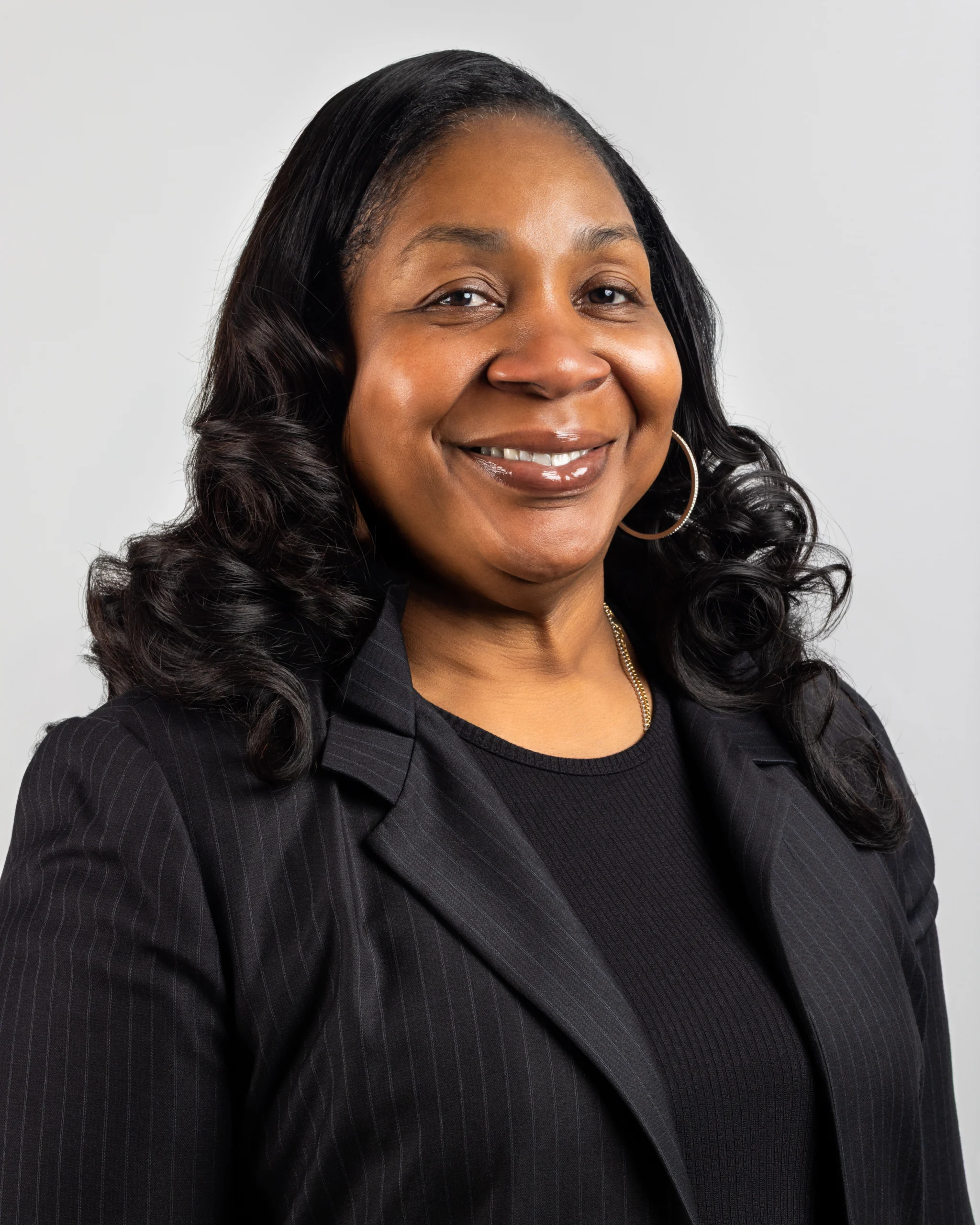
As the Director of Nursing at our Englewood inpatient addiction treatment center, Joan Taylor offers a remarkable blend of experience and dedication to compassionate, high-quality care. Her approach ensures that every individual on their recovery journey receives thoughtful and practical support from a skilled team.
Joan has over 20 years of expertise in nursing and healthcare management. Her extensive career includes proven success in leading multidisciplinary teams, fosteringcollaboration to deliver exceptional patient care. She holds a Bachelor of Science in Nursing (BSN) from Chamberlain University and is a registered nurse with a comprehensive background in both clinical and administrative roles.
Throughout her career, Joan has demonstrated a strong ability to develop and implement patient-centered care plans. She manages nursing staff efficiently andensures the facility remains in compliance with all healthcare regulations and standards. Her approach helps maintain the highest quality of patient care and safety.
Joan is deeply passionate about advancing the field of substance use treatment. She remains dedicated to staying informed about the latest research and best practices,integrating new knowledge into the facility’s care strategies. Her leadership and vision are crucial in driving the facility’s mission to provide holistic, evidence-based care thatempowers individuals to achieve lasting recovery.
What to Expect
Here is how dual diagnosis treatment unfolds at our Englewood facility, from assessment through aftercare.
Your evaluation covers substance use and mental health together, using thorough screening so a co-occurring condition is identified rather than missed. Everything that follows is built on this assessment.
Your therapist, medical providers, and support staff work from the same integrated plan and meet regularly about your progress, so care stays coordinated instead of fragmented.
Daily programming combines therapy for your mental health condition with addiction treatment, because progress in one supports progress in the other.
Before you complete the program, your team sets up what comes next: continuing therapy, psychiatric follow-up, and community support that keeps both conditions managed.
Stories From Our Alumni
Bradley H.
Treated at Boca Recovery Center New Jersey
Shared September 2026
Before
“I was drinking instead of actually processing what I was going through.”
At Boca
“I learned how to process grief, face uncomfortable emotions, rebuild trust in myself, and open up instead of keeping everything bottled up.”
Today
“It was a life-changing decision that gave me a chance to find my focus, rebuild myself, and move forward.”
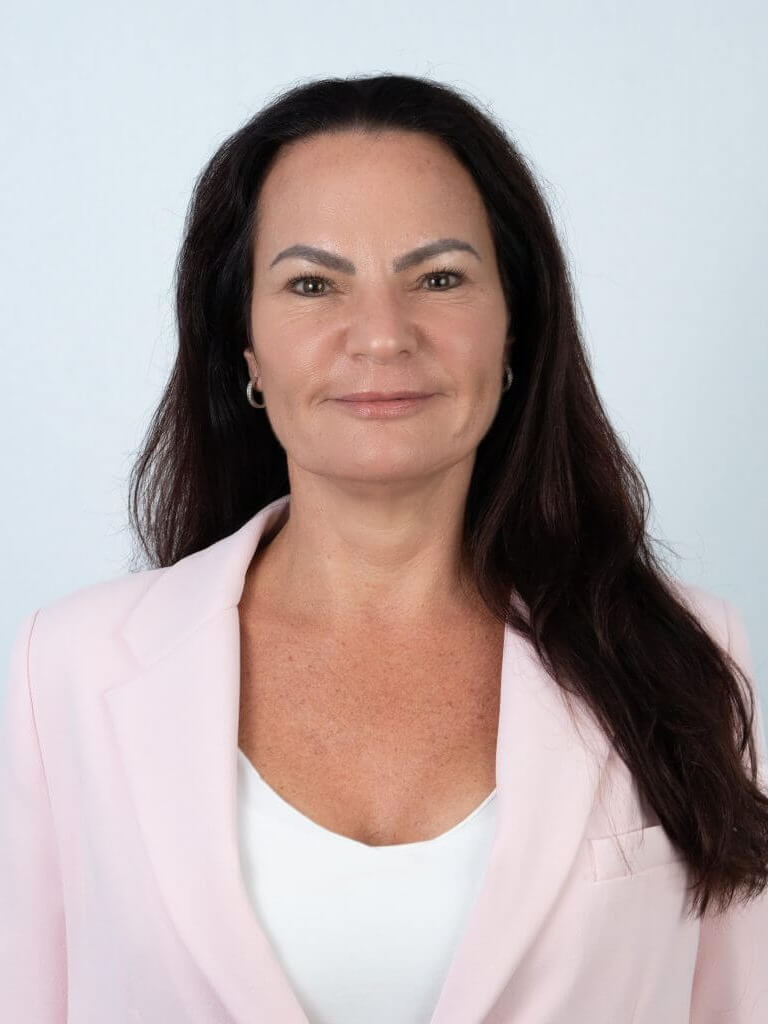
Dr. Alison Tarlow is a Licensed Clinical Psychologist in the States of Florida and Pennsylvania, and a Certified Addictions Professional (CAP). She has been a practicing psychologist for over 15 years... Read More