Get Help NowGET HELP NOW • CONFIDENTIAL & FREE(800) 516-4357
Does Xanax Cause Weight Gain?
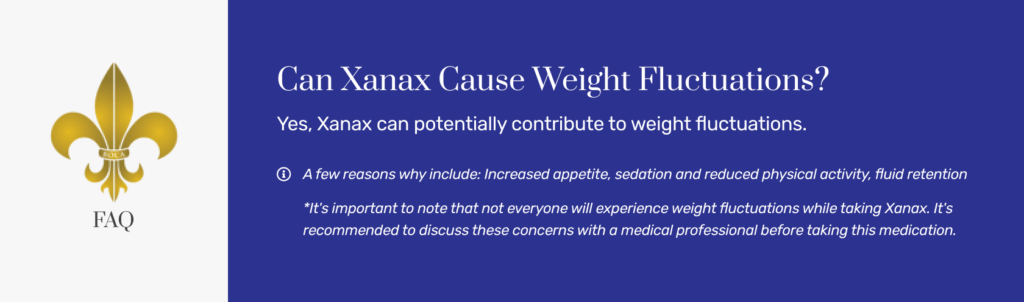
Xanax, the brand name for the commonly prescribed anti-anxiety drug alprazolam, can sometimes cause weight gain. Changes in weight may be a side effect of Xanax, but it is also possible that changes in weight after taking Xanax are a consequence of other symptoms caused by ingestion of the drug.
The primary purpose of a Xanax prescription is to decrease negative and uncomfortable symptoms in people struggling with a variety of disorders, generally centering around panic and anxiety.
Xanax belongs to a class of drugs known as benzodiazepines, which are central nervous system depressants. These medications function by slowing down the activity in the brain in order to relax the body’s muscles and provide a person with relief.
According to the drug label information for Xanax, changes in weight and changes in appetite are both possible side effects of the drug.
One study found that for patients prescribed Xanax for the treatment of panic disorder, 27 percent saw an increase in weight. Comparatively, only 18 percent of patients who received a placebo instead of Xanax reported an increase in weight.
One study found that for patients prescribed Xanax for the treatment of panic disorder, 27 percent saw an increase in weight.
The same study found that 33 percent of patients prescribed Xanax for panic disorder saw an increase in appetite after taking the drug. For the placebo group, only 23 percent of participants saw an increase in appetite.
These results seem to indicate that weight gain and increased appetite may be caused by Xanax itself. Interestingly, patients prescribed Xanax for anxiety disorder did not report changes in weight or appetite due to Xanax.
Can Xanax Cause Weight Loss?
Xanax is not typically associated with weight loss. However, it can be a side effect of use. Some individuals who take this medication may experience nausea or other symptoms of gastrointestinal distress that can decrease appetite.
In addition, taking Xanax can also affect your body composition and lead to metabolic fluctuations which cause your metabolism to speed up. This affects your energy levels and increases the rate at which you burn calories.
The medication can also have paradoxical effects, causing users to feel agitated, anxious or restless rather than sedated. Users may expend higher amounts of energy and feel less driven to eat when this happens.
While taking the medication can trigger such changes, weight loss is more common with Xanax withdrawal. This process can cause side effects like diarrhea, muscle cramps, panic attacks and vomiting which can lead to loss of appetite.
Sleep Disruption and Late-Night Cravings
When withdrawing from Xanax, you might notice changes in your sleep architecture. Even if you’re a great sleeper, you may find that tapering the medication leads to insomnia or sleep cycle disruption. Your circadian rhythm might feel off as you wake in the middle of the night or find it more difficult to fall asleep.
This is because, as a central nervous system (CNS) depressant, Xanax binds to the GABA receptors in your brain and enhances their calming effects. It can also indirectly affect your serotonin receptors which are responsible for regulating functions like mood and sleep.
When you stop taking the drug, you can experience rebound insomnia. This can negatively alter your hunger hormones, leading to an uptick in carbohydrate cravings especially during late-night hours.
The Impact of Prolonged Use on Body Composition
Xanax acts as a muscle relaxant and central nervous system depressant. It has a sedative effect on users which can decrease energy levels and lead to a decline in physical activity. Even if you’re used to high-intensity exercise, you might find it difficult to maintain these workouts due to the drug’s sedating properties.
As you develop a physical dependence on this medication, you may notice muscle mass depletion as well as a decrease in muscle tone and strength as feelings of fatigue or lethargy increase.
Over time, your muscles can even atrophy from lack of use. This is especially the case for individuals who use Xanax for a long time and develop a physical dependence on the drug. As your tolerance grows, you’ll need to take more Xanax to achieve the same effects. This can speed up the changes to your body composition.
Other long-term side effects that can occur with prolonged use include weight fluctuations, changes in coordination and a slower metabolic rate. You may experience increased hunger, leading to fat gain over muscle gain or muscle wasting due to decreased appetite.
Xanax Addiction
What is Xanax? Xanax (generic name: alprazolam) is a prescription benzodiazepine medication. It’s one of the most prescribed medications in its class. Electrical activity deep within your brain translates into emotions like fear, anxiety, and mania. Benzodiazepines like Xanax slow those electrical surges by latching onto GABA receptors within the brain. This can cause sedation, […]
In some individuals and under certain circumstances, Xanax can cause symptoms associated with depression, especially if it is used outside of prescription guidelines or without the recommendation of a medical professional. Xanax Use Xanax is a Schedule IV drug, which means that it does come with abuse potential even though it has legitimate medical use. […]
However, aside from the possibility that weight gain is caused by Xanax itself, there is a chance that other reported side effects from Xanax can in turn cause weight gain.
The most common reported side effect by both patients with anxiety disorder and those with panic disorder is drowsiness. Over 40 percent of patients treated for anxiety with Xanax report symptoms of drowsiness compared to 22 percent of those taking a placebo. For panic disorder, 77 percent reported drowsiness compared to 43 percent of those taking a placebo.
Other commonly reported side effects among patients with panic disorders taking Xanax are fatigue and lower levels of coordination. All of these side effects impair the ability of a person to complete physical exercise, and this may encourage a more sedentary lifestyle.
These changes in lifestyle due to other side effects from Xanax could be a contributing factor to why some patients report weight gain after they begin taking the medication.
Struggling with Addiction?
Whether you’re looking for treatment for yourself, someone close to you, or you just need answers, we’re here 24/7 to help.
There is no specific treatment that will reduce weight gain caused by taking Xanax. People may want to consider general healthy lifestyle changes in regard to eating and exercise in order to reduce weight gain.
If potential weight gain is a particular concern, some patients may want to consider a different drug. In addition, a lower dose of Xanax may lead to less harmful side effects that contribute to weight gain.
If you believe you are experiencing weight gain as a consequence of your Xanax prescription, talk to your doctor about decreasing your dosage or potential alternative medications for your condition. If you are misusing Xanax, such as using it without a prescription and have noticed this effect, the best way to address it is to get help.
You should never suddenly stop using Xanax if you have been taking it for a while. Talk to a medical professional about the best way to stop taking the drug.
Xanax use can sometimes lead to weight gain due to increased appetite, fatigue, or other side effects. If you’re concerned about Xanax use, call us or visit one of our locations for expert guidance and support.
Our Addiction Treatment Centers
More Locations
Resources
Alprazolam.(May 2022). National Library of Medicine.