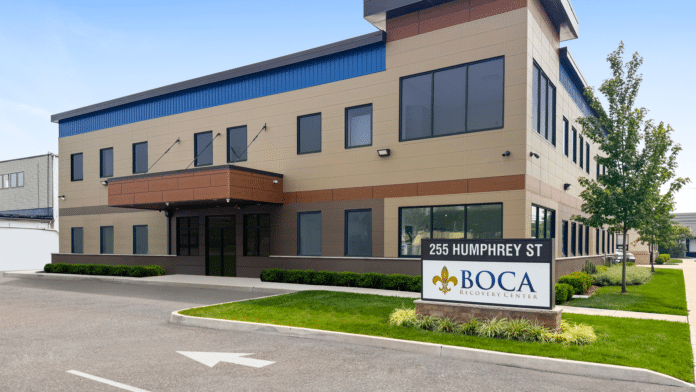
Opioid Rehab in Englewood, NJ


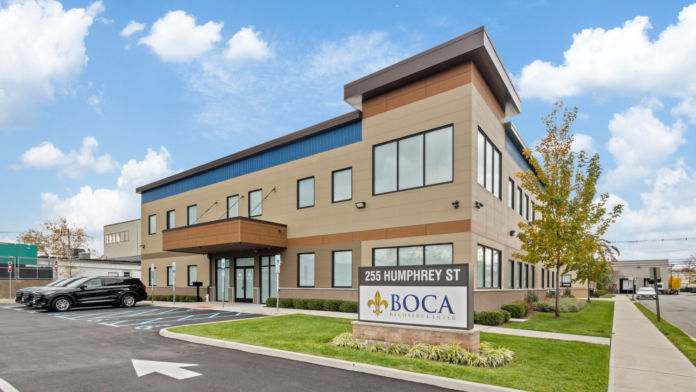

Opioid Rehab in Englewood
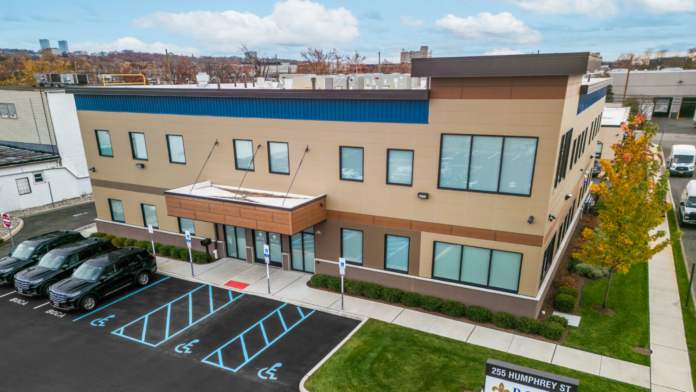
Opioid rehab at Boca Recovery Center Englewood covers the full opioid class: prescription painkillers such as oxycodone and hydrocodone, synthetic opioids like fentanyl, and heroin. Many of the people we treat never sought out a street drug; dependence began with a legitimate prescription after surgery or an injury. Our Englewood, NJ facility provides medically supervised detox and residential treatment minutes from New York City.
When a Prescription Becomes Dependence
Opioid painkillers change how the brain works with repeated use. The National Institute on Drug Abuse notes that long-term use, even exactly as prescribed, can produce tolerance and physical dependence. Misusing the medication, whether taking more, taking it more often, or using someone else's, raises the risk of opioid use disorder further. None of that makes someone weak. It makes them a person with a treatable medical condition.
Why Early Treatment Matters
Untreated prescription opioid dependence tends to escalate. NIDA reports that about 80 percent of people who used heroin first misused prescription opioids, and an estimated 4 to 6 percent of people who misuse prescription opioids eventually transition to heroin. In New Jersey, the NJ CARES program tracks suspected overdose deaths and naloxone use statewide, a sober reminder of where untreated dependence can lead. Getting help at the prescription stage is genuinely protective.
The Treatment Path at Boca Englewood
Treatment starts with a confidential medical assessment, then supervised detox with clinicians managing withdrawal around the clock. For some people, medication support is part of a safe withdrawal plan; our medication-assisted treatment page explains those options, and your care team will review whether they fit your situation.
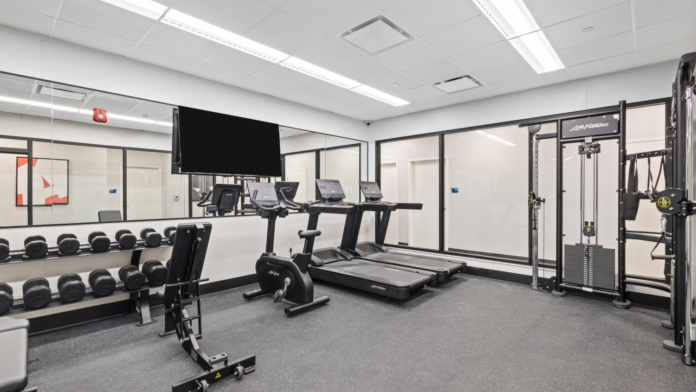
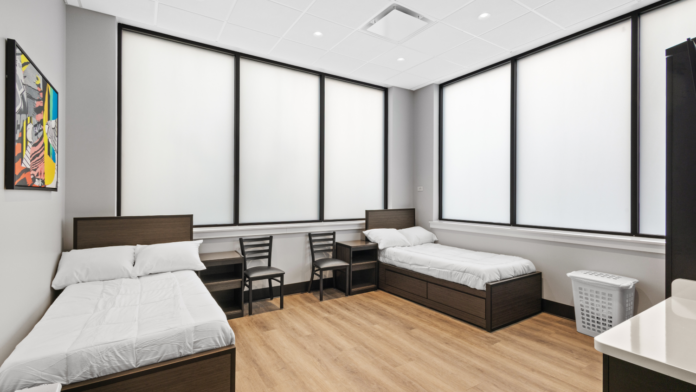
After stabilization, you move into residential treatment at our 40-bed facility: individual counseling, group therapy, dual diagnosis care, and a daily structure designed for comfort as well as progress, with easy access for families coming from New Jersey or New York.
Recovery from prescription opioid dependence has its own questions, and the clinical team plans for them: how legitimate pain will be managed going forward, how to talk with your prescriber, and how to return to work and family life without the medication running the schedule. Those conversations start in treatment, not after it.
Frequently Asked Questions
Is opioid rehab different from opiate rehab?
Opioid is the umbrella term for the entire class: natural opiates like heroin and morphine plus semi-synthetic and synthetic drugs like oxycodone, hydrocodone, and fentanyl. This program serves anyone with opioid dependence, with particular experience treating dependence that began with a prescription.
Can I develop dependence taking painkillers exactly as prescribed?
Yes. Tolerance and physical dependence can develop even at prescribed doses over time. If stopping feels impossible, or the medication has taken over more of your life than it should, a confidential assessment can tell you where you stand. SAMHSA's National Helpline (1-800-662-4357) is a free, confidential place to start as well.
Does insurance cover opioid rehab in Englewood?
Boca Recovery Center works with most major insurance providers. Call (201) 778-9068 for a free verification of benefits; our admissions team handles the details so you can focus on the decision.
Services
The opioid program at our Englewood facility treats prescription painkiller, fentanyl, and heroin dependence with the same clinical rigor, tailored to how each one presents.
Around-the-clock medical detox through opioid withdrawal, whether the dependence involves oxycodone, hydrocodone, fentanyl, or heroin.
A structured stay at our 40-bed Englewood facility, with daily therapy and the physical distance that early recovery often requires.
Chronic pain history, anxiety, depression, and other co-occurring concerns addressed through integrated mental health services.
Individual and group counseling grounded in proven methods, focused on how the dependence started and what will keep it from returning.
Discharge planning, step-down options, and an alumni community that keeps you connected after treatment ends.
Facility Staff
What to Expect
From the first call through discharge, opioid treatment at Boca Recovery Center Englewood follows a clear, supported path.
Your history with opioids, whether prescribed or not, shapes everything that follows. Clinicians complete a full medical and psychological evaluation on day one.
Detox is managed by clinical staff who monitor you continuously and treat symptoms as they emerge, keeping withdrawal as safe and tolerable as possible.
You join structured daily programming: individual counseling, group sessions, and dual diagnosis care in a private, comfortable setting.
Your team builds an aftercare plan before you leave, including continued counseling, alumni connection, and referrals close to home.
Location Information
Opioid Rehab in Englewood, NJ255 Humphrey St, Englewood, NJ 07631
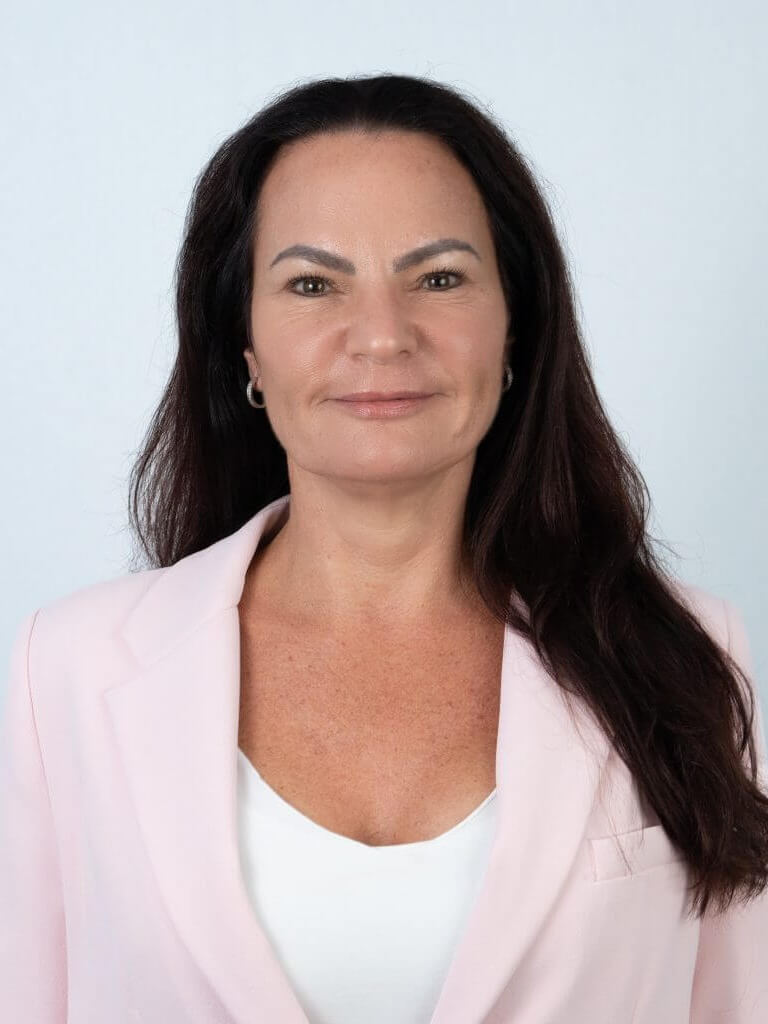
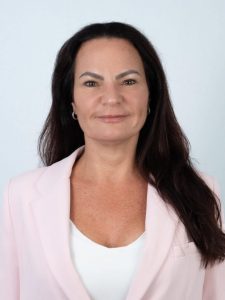
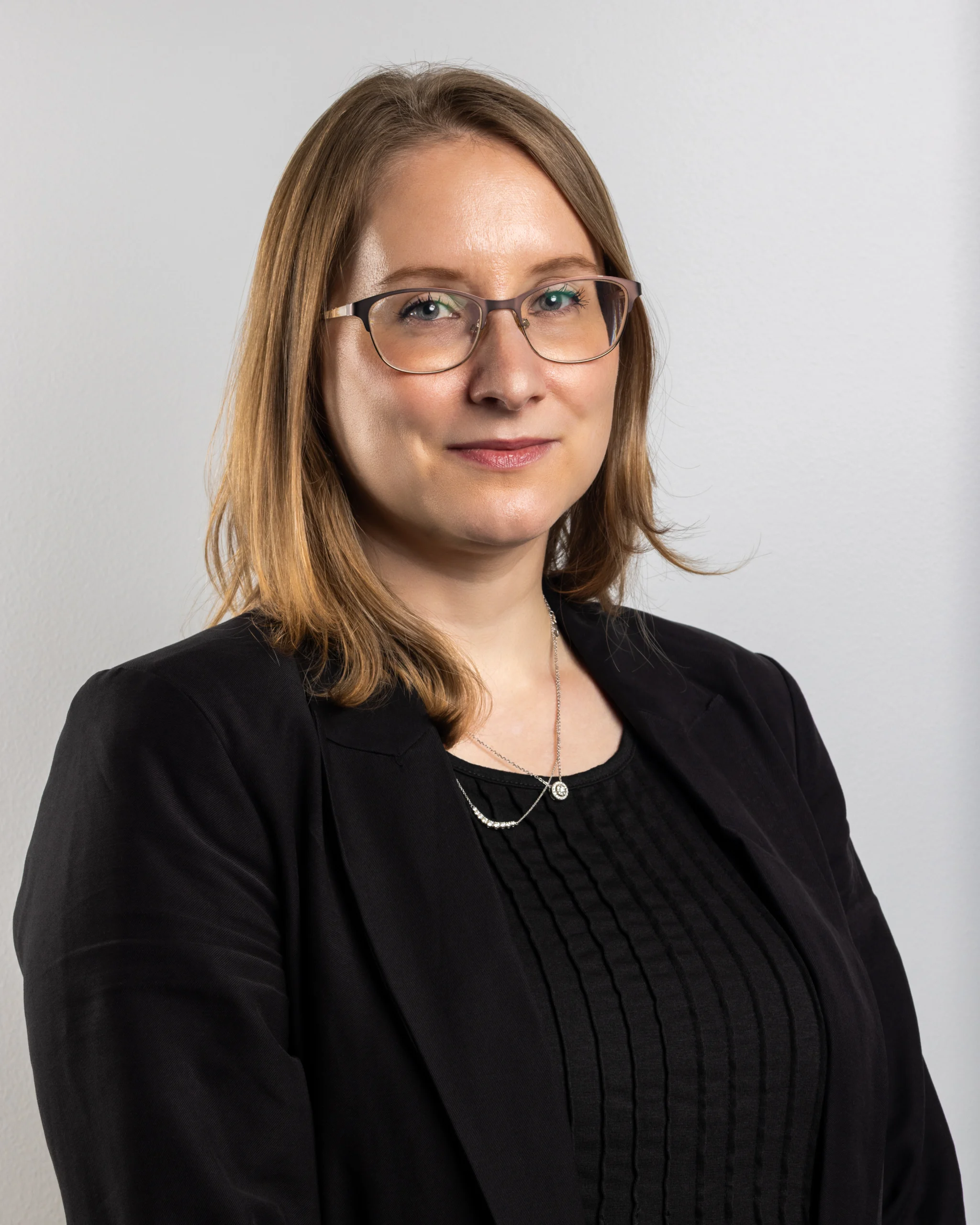
Dr. Alison Tarlow is a Licensed Clinical Psychologist in the States of Florida and Pennsylvania, and a Certified Addictions Professional (CAP). She has been a practicing psychologist for over 15 years... Read More