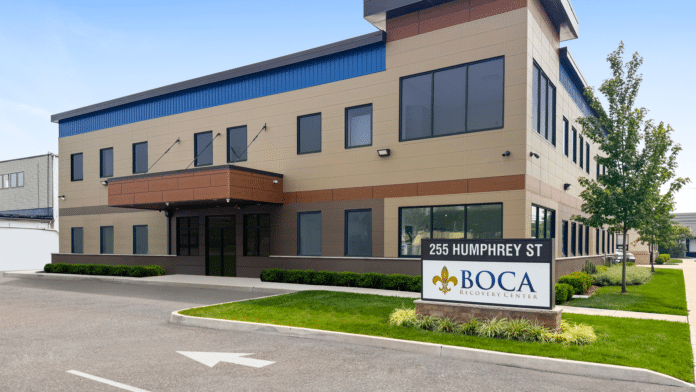
Inpatient Rehab Program in Englewood, NJ


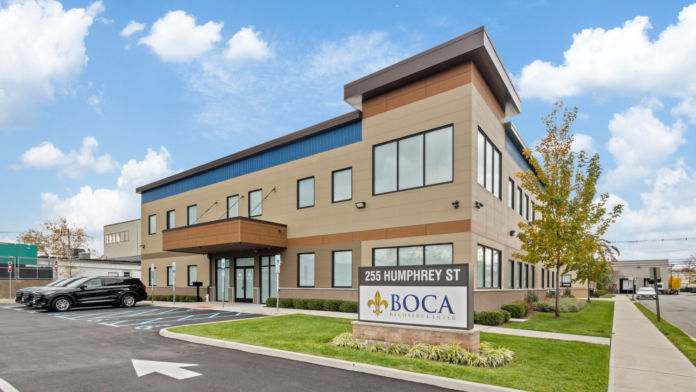
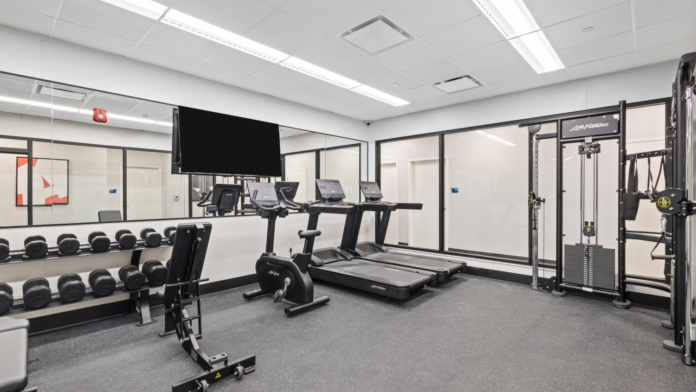
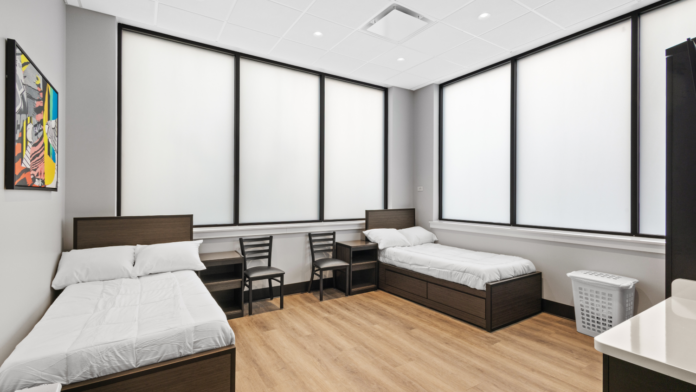

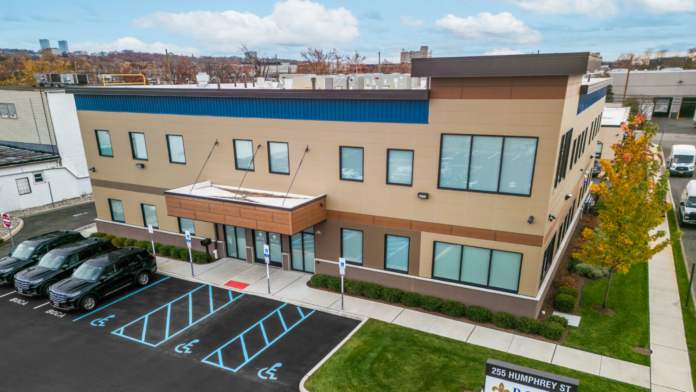
What an Inpatient Rehab Program in Englewood Involves
An inpatient rehab program is a residential course of addiction treatment: you live at the facility, follow a structured daily schedule of therapy, and have medical support around the clock. At Boca Recovery Center in Englewood, NJ, the program moves through four stages for both drug and alcohol addiction: clinical assessment, stabilization, daily evidence-based therapy, and step-down planning.
Assessment and Your Treatment Plan
Treatment begins with a full clinical assessment. A clinician reviews your substance use history, physical health, and any co-occurring mental health conditions, then builds an individualized plan from what they find. The National Institute on Drug Abuse describes substance use disorders as chronic, treatable medical conditions from which people can recover, and effective programs tailor care to the person rather than applying one fixed track.
A Structured Day of Evidence-Based Therapy
Days in residential care follow a set rhythm: individual counseling, group sessions, addiction education, and time for reflection and rest. Therapists at our Englewood facility work in proven modalities, including cognitive behavioral therapy (CBT), dialectical behavior therapy (DBT), and motivational enhancement therapy. For people working through alcohol use disorder, this structure matches what the NIAAA Alcohol Treatment Navigator identifies as quality care: licensed clinicians delivering evidence-based treatment guided by an assessment.
Length of Stay and Step-Down Planning
There is no single right length for inpatient rehab. Your care team reviews your progress each week and recommends the next step when you are ready, whether that is more residential time or a move to a lower level of care. As MedlinePlus explains, residential programs monitor and address withdrawal symptoms and behaviors while you build the skills that prevent relapse. Before discharge, we map your step-down path through outpatient treatment and aftercare so the structure does not end at the front door.
Frequently Asked Questions
How long does inpatient rehab last?
Length of stay is set by your assessment and your progress, not a preset calendar. Your treatment team reviews your plan regularly and recommends stepping down when you are clinically ready.
What is the difference between inpatient rehab and detox?
Detox manages withdrawal safely over a period of days. Inpatient rehab is the treatment that follows: structured daily therapy that addresses the causes of substance use and builds the foundation for lasting recovery.
Does the program treat drug and alcohol addiction together?
Yes. The Englewood program treats both alcohol and drug addiction, and clinicians trained in dual diagnosis care treat co-occurring conditions such as anxiety, depression, and PTSD within the same plan.
Services
Every part of the inpatient program happens on one campus at 255 Humphrey St, so your medical care, therapy, and support stay coordinated from admission through discharge.
Most residents begin with medical detox. Clinicians manage withdrawal with FDA-approved medications and round-the-clock nursing support, so you enter therapy stable and as comfortable as possible.
Daily sessions form the core of the program. You meet one-on-one with your therapist and join small groups that use CBT, DBT, and motivational enhancement approaches to change the patterns behind substance use.
Many people with a substance use disorder also live with anxiety, depression, or trauma. Clinicians treat both conditions in one coordinated plan rather than sending you elsewhere for mental health care.
Addiction affects the whole household. When it helps your recovery, family members can join therapy sessions and learn how to support you after discharge.
Before you leave, your team builds the next phase: outpatient care, continued counseling, and peer support connections that keep the structure of treatment in place.
Facility Staff


What to Expect
From your first phone call to your first full week in residence, here is how admission to the Englewood inpatient program works.
Your first conversation with our admissions team is private and unhurried. We ask about your substance use, health, and goals, verify your insurance over the phone, and answer every question you have.
When you arrive at the facility, you check in, settle into your room, and complete a medical evaluation. This confirms your treatment plan and flags anything your care team should manage from day one.
Early days follow a gentle on-ramp: you meet your therapist, join your first groups, and learn the daily schedule. Structure builds quickly, and most residents find the routine grounding.
Your team reviews your progress every week and adjusts the plan as you stabilize. Step-down planning starts well before discharge, so the transition never feels abrupt.
Location Information
Inpatient Rehab Program in Englewood, NJ255 Humphrey St, Englewood, NJ 07631

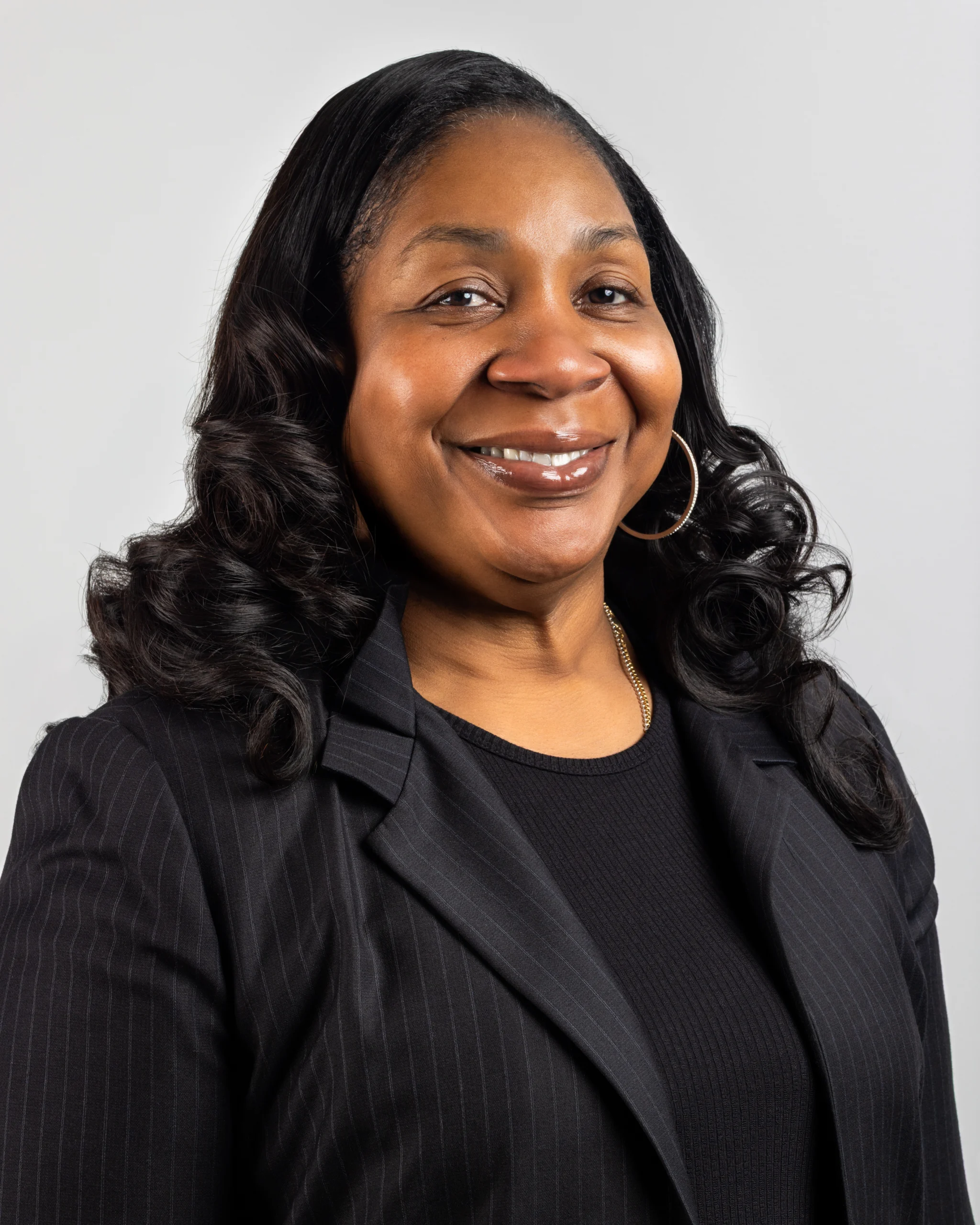
Dr. Alison Tarlow is a Licensed Clinical Psychologist in the States of Florida and Pennsylvania, and a Certified Addictions Professional (CAP). She has been a practicing psychologist for over 15 years... Read More