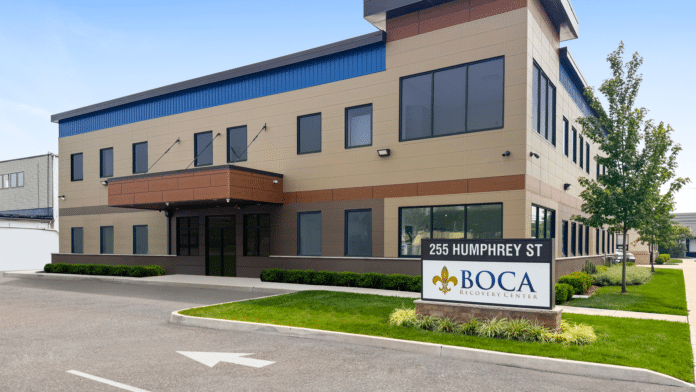
Fentanyl Rehab in Englewood, NJ


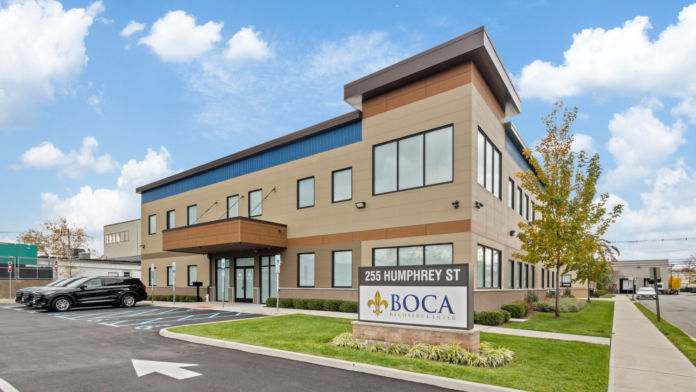
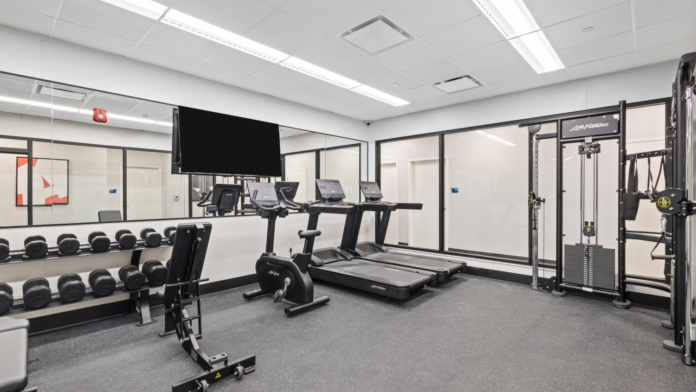
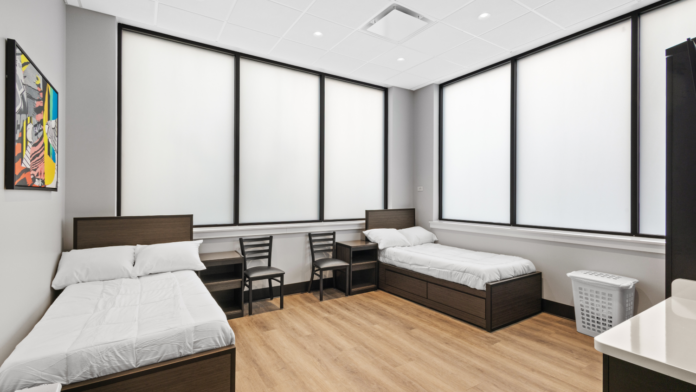

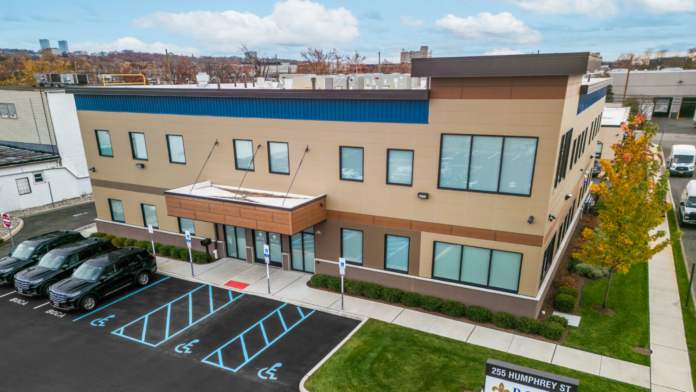
Fentanyl Rehab in Englewood
Fentanyl rehab at Boca Recovery Center Englewood pairs medically supervised detox with residential treatment built specifically for the most potent opioid in the illicit drug supply. Because fentanyl is far stronger than heroin or morphine, withdrawal and early recovery call for round-the-clock clinical care, not a cold-turkey attempt at home. Our Bergen County facility serves Englewood, northern New Jersey, and the New York metro area.
Why Fentanyl Is Different
The National Institute on Drug Abuse describes fentanyl as much more powerful than morphine or heroin, with effects that start faster. A dose as small as 2 milligrams can be fatal. Fentanyl is also mixed into heroin, cocaine, methamphetamine, and counterfeit pills, often without the person knowing what they are actually taking.
New Jersey tracks the toll closely: the state's NJ CARES program monitors suspected overdose deaths and naloxone administrations in every county, including Bergen. Behind those dashboards are neighbors, coworkers, and family members. Treatment is how the numbers change.
Why Medically Supervised Detox Is Critical for Fentanyl
Fentanyl's potency produces deep physical dependence, and withdrawal is intensely uncomfortable. Attempting it alone is hard to complete and can be dangerous. In our detox program, clinicians monitor you 24/7, manage symptoms as they emerge, and keep you hydrated and stable while fentanyl clears your system.
Some people benefit from medication support during opioid withdrawal. If that becomes part of your plan, our medication-assisted treatment page explains the options, and your care team will review whether they fit your situation.
Treatment After Stabilization
Detox gets fentanyl out of your body; residential treatment addresses what kept you using. At our Englewood facility you will work through individual and group therapy, receive care for co-occurring mental health conditions, and live within a daily structure designed for comfort as well as progress, minutes from New York City.
Timing matters here. Tolerance falls quickly after detox, which makes a return to use uniquely dangerous with a drug this potent. Staying through residential treatment and leaving with a relapse-prevention plan is the safest path forward.
Frequently Asked Questions
How long does fentanyl detox take?
It depends on how long and how heavily fentanyl was used. Acute withdrawal typically spans days rather than weeks, and your admission assessment will map out a personal timeline. You will be monitored and supported through all of it.
What if I didn't know I was taking fentanyl?
That is common. Fentanyl shows up in counterfeit pills and gets mixed into other drugs, so many people develop dependence without ever seeking it out. Treatment starts the same way regardless: a confidential call and a medical assessment. If you would rather begin with an independent resource, SAMHSA's National Helpline (1-800-662-4357) is free and confidential.
Does insurance cover fentanyl rehab in Englewood?
Boca Recovery Center works with most major insurance providers. Call (201) 778-9068 and our admissions team will verify your benefits for free, whether you are coming from New Jersey or New York.
Services
Fentanyl recovery at our Englewood facility is built around medical safety in the first days and durable support in the months that follow.
Continuous clinical monitoring through withdrawal, with symptom management from an experienced medical detox team on site around the clock.
Immersive care at our 40-bed Englewood facility: daily therapy, structure, and real distance from the supply and stress that fed use.
Anxiety, depression, PTSD, and other co-occurring conditions treated together with substance use through our mental health services.
Individual and group sessions using proven approaches to rebuild routines, relationships, and coping skills after fentanyl.
Relapse-prevention planning and an alumni network that stays with you well after discharge.
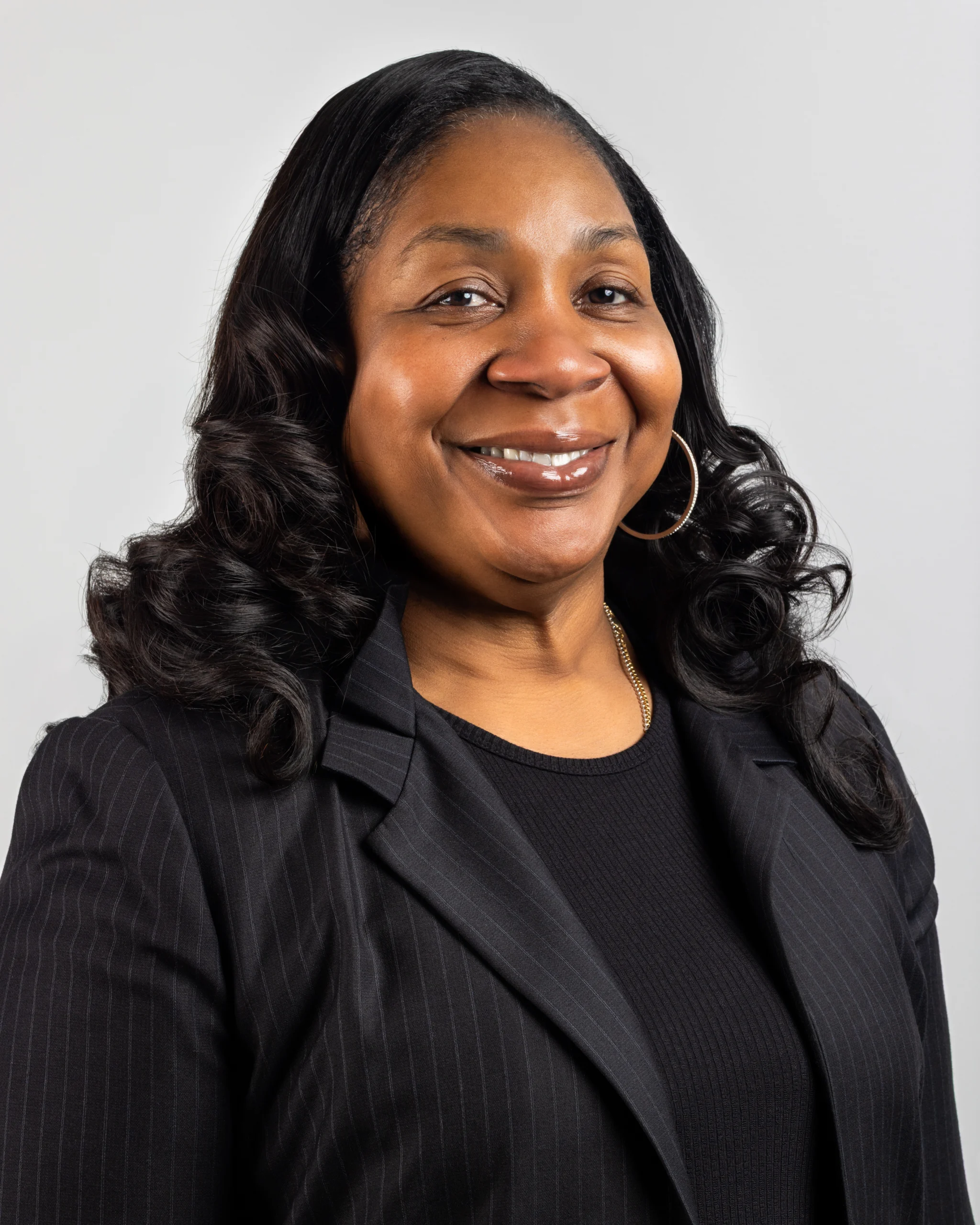
Facility Staff


What to Expect
Fentanyl treatment follows a clear arc at Boca Recovery Center Englewood. Here is what to expect at each stage.
Because fentanyl dependence can be severe, treatment begins with a thorough medical and psychological evaluation so clinicians can plan a safe withdrawal.
You detox under continuous clinical supervision. The team manages symptoms as they emerge and keeps you as comfortable as possible while your body clears the drug.
Once stable, you move into structured residential programming: individual counseling, group therapy, and integrated dual diagnosis care.
Before discharge, your team builds a relapse-prevention plan with continued therapy, alumni support, and step-down options near home in New Jersey or New York.
Location Information
Fentanyl Rehab in Englewood, NJ255 Humphrey St, Englewood, NJ 07631
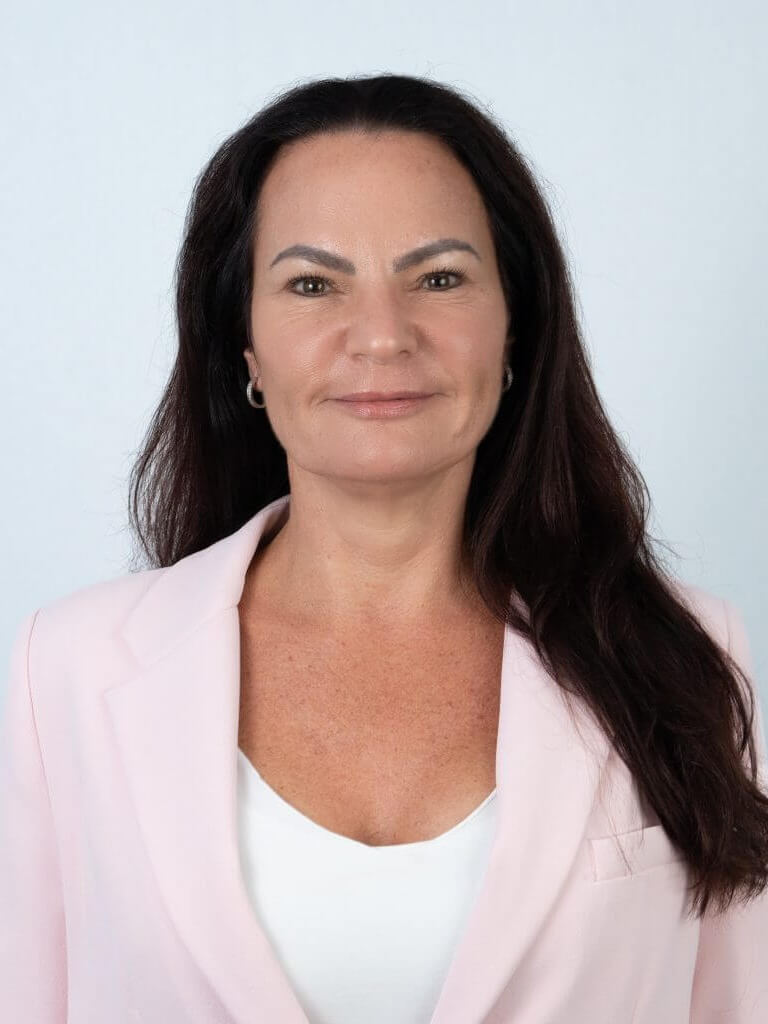
Dr. Alison Tarlow is a Licensed Clinical Psychologist in the States of Florida and Pennsylvania, and a Certified Addictions Professional (CAP). She has been a practicing psychologist for over 15 years... Read More