Alcohol Rehab in Englewood, NJ



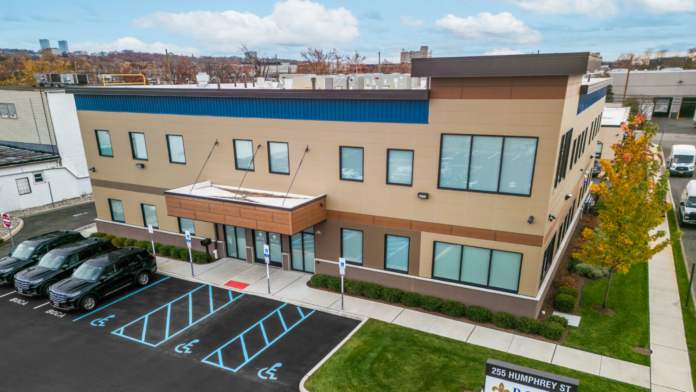
Alcohol Rehab at Boca Recovery Center in Englewood
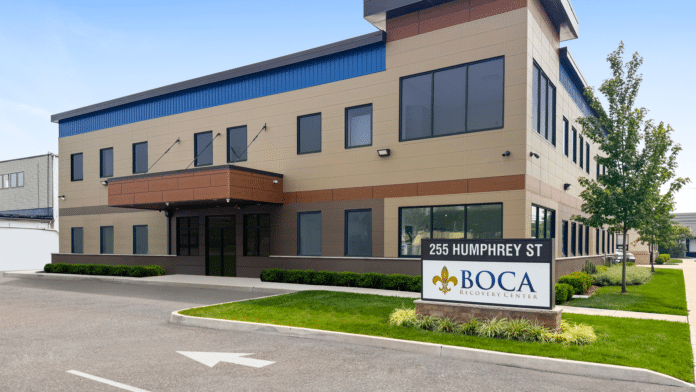
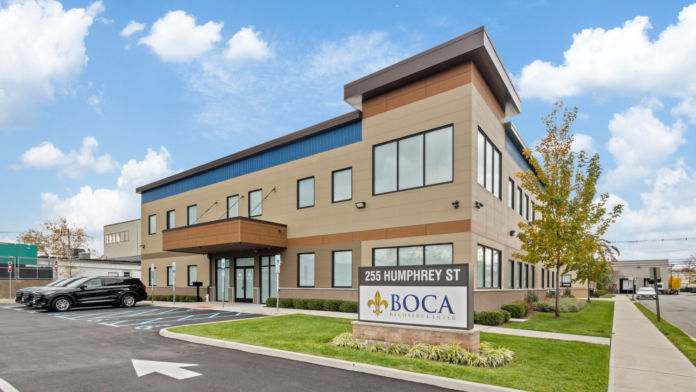
Alcohol rehab at Boca Recovery Center in Englewood, NJ is a complete treatment program rather than a single service. Care starts with a clinical assessment, continues through structured residential treatment and evidence-based therapy, and closes with a detailed aftercare plan. Everything happens at our 40-bed facility at 255 Humphrey St in Bergen County, a few minutes from the George Washington Bridge.
Alcohol use disorder is a recognized medical condition, and it responds to structured treatment. If you want to understand the condition itself first, our alcohol addiction page covers the signs, causes, and risk factors.
What the Alcohol Rehab Program Includes
Your program begins with a full clinical assessment covering drinking history, physical health, mental health, and home life. From there, clinicians build a plan that combines individual counseling, group therapy, and family involvement. The National Institute on Alcohol Abuse and Alcoholism publishes a plain-language guide to finding quality alcohol treatment; the elements it describes are the same ones this program is built on.
If you need medically supervised withdrawal first, our Englewood detox program handles that stage. Rehab is what comes after: the therapeutic work of building a life without alcohol.
Residential Treatment in Bergen County
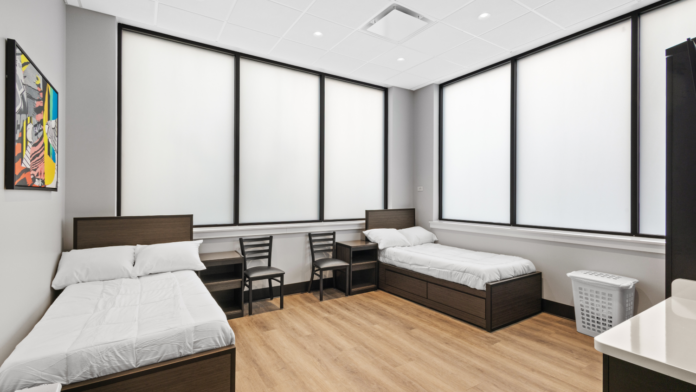
Most of the program takes place in residential care. You live at the facility, follow a structured daily schedule, and work with licensed clinicians in a setting removed from the routines and stressors that surrounded your drinking. Englewood's location helps here: close enough to New York City and the surrounding suburbs for family sessions and visits, far enough from your daily environment to give treatment room to work.
Aftercare Planning from the Start
Research from the National Institute on Drug Abuse shows that behavioral therapies help people change the attitudes and behaviors tied to substance use, and that recovery continues well past a residential stay. Your team starts aftercare planning early, mapping step-down options such as a partial hospitalization program or intensive outpatient program, plus ongoing counseling and community support. New Jersey residents can also lean on ReachNJ, the state's addiction help resource, at any point.
Frequently Asked Questions
How is alcohol rehab different from alcohol detox?
Detox manages the physical withdrawal from alcohol under medical supervision, usually over a period of days. Rehab is the treatment program that follows: therapy, skill building, and planning that address why you drank and how to stay well.
How long does alcohol rehab take?
There is no single answer. Your length of stay depends on your assessment, your progress, and your step-down plan. Your clinical team will recommend a duration and revisit it with you as treatment moves forward.
Can I come to Englewood for alcohol rehab from New York?
Yes. The facility sits just across the George Washington Bridge, which makes it a practical choice for people coming from New York City and the wider metro area. Our admissions team can check your insurance benefits before you make any decisions.
Services
Alcohol rehab in Englewood is built from connected services, each one matched to your assessment and adjusted as you progress:
Every program starts with a thorough evaluation of your drinking history, physical health, mental health, and support system. This assessment shapes every treatment decision that follows.
Structured residential care with a full daily schedule of therapy and support, in a setting designed to keep your focus on recovery.
Licensed clinicians use evidence-based approaches, including cognitive behavioral therapy, in one-on-one sessions and small groups where you work through the patterns behind alcohol use.
Many people with alcohol use disorder also live with anxiety, depression, or trauma. Treatment addresses both conditions together rather than in sequence.
Before you leave, your team builds a concrete plan: step-down care such as an intensive outpatient program, ongoing counseling, and community support that fits your life at home.
Facility Staff


What to Expect
From your first call through discharge, the Englewood team keeps the process clear and predictable. Here is what the program looks like from the inside:
Your first days include a complete clinical assessment and time to settle in. You will meet the clinicians responsible for your care and review your initial treatment plan together.
Days follow a consistent rhythm of individual therapy, group sessions, meals, and rest. Structure is part of the treatment: it rebuilds routines that alcohol disrupted.
With your consent, family members can take part in sessions and education. Recovery is easier to sustain when the people around you understand it.
You leave with specifics: appointments, step-down care, and supports already in place. The goal is a smooth handoff from residential treatment to daily life.
Location Information
Alcohol Rehab in Englewood, NJ255 Humphrey St, Englewood, NJ 07631

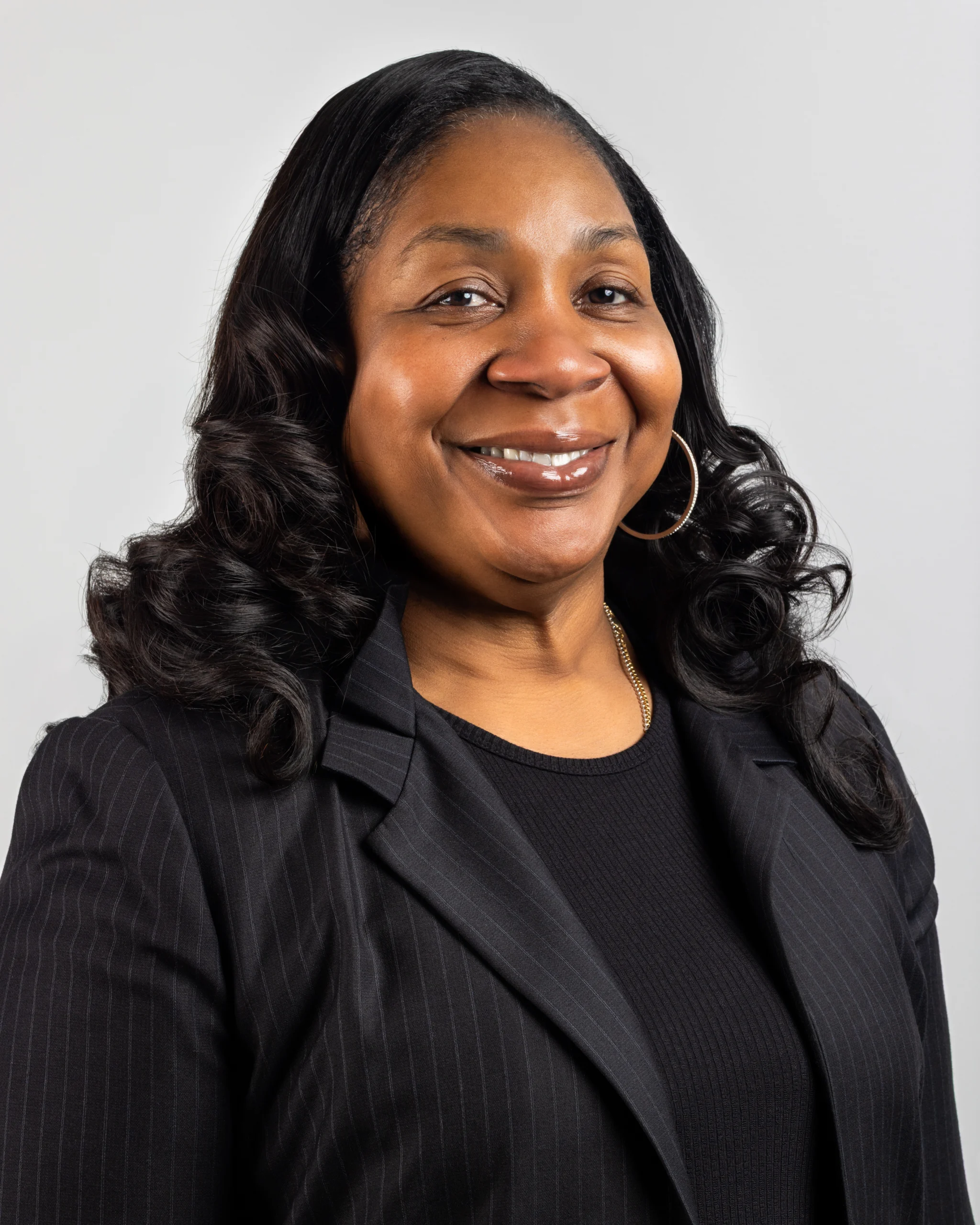
Dr. Alison Tarlow is a Licensed Clinical Psychologist in the States of Florida and Pennsylvania, and a Certified Addictions Professional (CAP). She has been a practicing psychologist for over 15 years... Read More