Get Help NowGET HELP NOW • CONFIDENTIAL & FREE(800) 516-4357
Is Kratom Bad For You?
How could a natural plant like kratom be bad for you? Discover how kratom affects the body, its addictive properties, and the health risks involved with use.
Key Facts
-Kratom is a tropical plant that is used in powder, tea, capsule, shot, and gummy product formats. -Kratom contains two psychoactive substances that can cause stimulant and sedative effects. -Kratom use has multiple physical and mental side effects and can pose serious health risks. -You can become addicted to kratom, and you can overdose on kratom. -It is possible to stop kratom use safely and more comfortably, with tapering, medical detox, or other supportive treatments.
Kratom 101: What It Is and How It’s Used
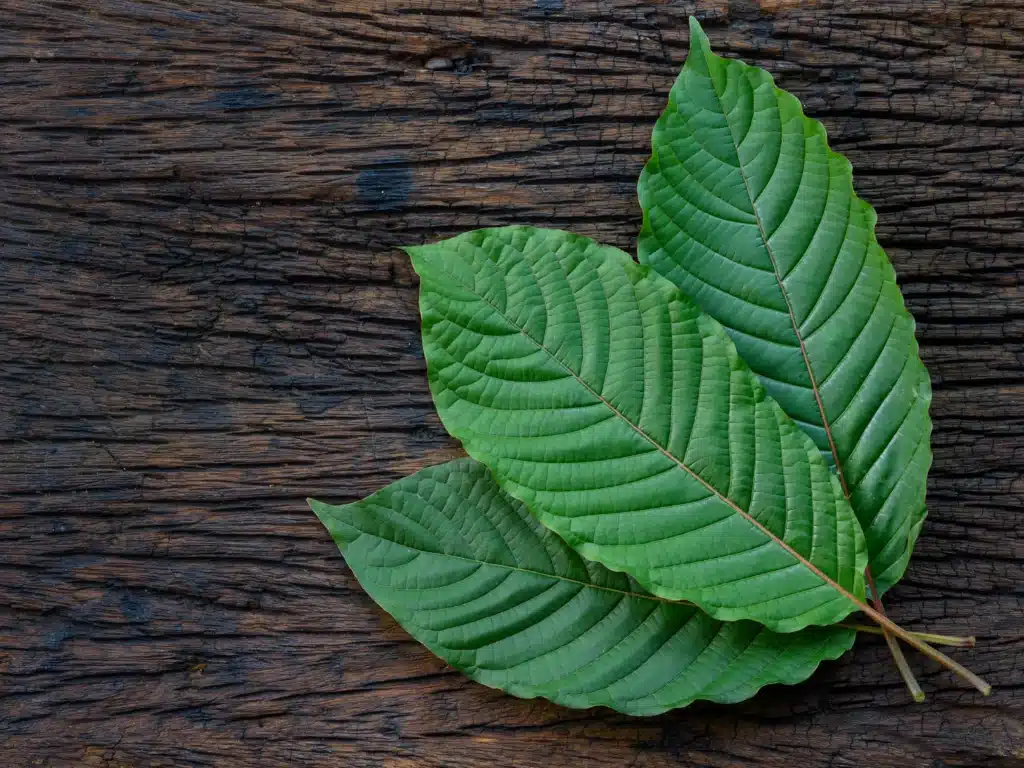
Kratom (mitragyna speciosa) is a tropical tree native to South America. Its leaves contain chemical compounds—mitragynine and 7-hydroxymitragynine/7-OH—that can cause stimulation or sedation, depending on the dose.
Due to its effects, people may take kratom for energy boosts, pain relief, or mood/anxiety issues. Some people self-treat opioid withdrawal with kratom. These uses often occur without medical guidance.
Common kratom products include powders, capsules, teas, shots, and gummies. Extract products or “enhanced” products are typically much stronger than other types of kratom products.
Note: Simply because kratom is a natural plant does not mean it is safe to use. Effects of kratom and the health risks involved vary widely by dose, individual health, and product strength (which is often unknown).
Our Addiction Treatment Centers
More Locations
How Does Kratom Affect the Body?
Dose-Dependent Effects
In lower doses, kratom has a stimulating effect on the body. Higher doses create a sedating/opioid-like effect. In either case, there are risks of impairment that cause safety concerns for work environments and driving.
Opioid-Like Activity
The two psychoactive ingredients in kratom, mitragynine and 7-hydroxymitragynine (7-OH), interact with opioid receptors in the brain. These receptors control systems that regulate rewards, pain, and addictive behaviors.
With continued use, kratom causes changes to these systems, which causes the body to become dependent on the substance. Once dependent, the body experiences withdrawal when the substance is no longer present. Tolerance also develops, which means you need more and more of the substance to achieve the same effect.
In addition to opioid receptors, kratom can also influence other brain systems, such as dopamine and serotonin receptors. This influence can affect interactions with other substances as well as the side effects kratom has on the body.
Riskier Than You Might Think
Kratom products are unregulated and vary from batch to batch. The results: Unknown additives and contaminants may be present in kratom products, and the same dose of one product may be much more potent than another.
These unknowns increase the risk of using kratom products, since it’s hard to know exactly what you’re taking or the possible effects it could have.
Is Kratom Bad for You? Health Risks
Kratom can lead to a range of different symptoms and health risks. Here are some of the different ones you may experience.
Side Effects of Kratom
Common physical side effects of kratom use include:
Nausea/vomiting
Constipation
Dry mouth
Sweating
Itching
Dizziness
Headaches
Appetite changes
Insomnia
Sedation
Mental/behavioral side effects include:
Agitation
Anxiety
Irritability
Mood swings
Confusion
Potential severe symptoms include:
Seizures
Jaundice
Liver injury
Heart palpitations
Severe confusion/psychosis
Dehydration
Overdose symptoms include:
Extreme sedation
Slowed/shallowed breathing
Bluish lips
Inability to wake
Note: Call 911 if seizures or breathing problems/severe sedation occur.
Is Kratom Addictive?
The short answer: yes. Here’s why.
Kratom use often starts as a “helper” substance, in an attempt to treat withdrawal, pain, or anxiety. But…
Kratom use causes changes to systems in the brain, which makes the body dependent on the substance. Even with “responsible” use, tolerance occurs (the body needs more and more to feel the same effect). This creates a cycle of repeated and escalating use, leading to addiction.
Signs of addiction include:
Cravings
Escalating doses
Daily use to “feel normal”
Unsuccessful cutbacks in kratom use
Using kratom to manage stress
Using despite the harm it’s causing
Withdrawal avoidance
Hiding use
Functional decline
Significant time and money spent on kratom use
Withdrawal Symptoms and Treatment
Common kratom withdrawal symptoms include:
Anxiety
Irritability
Restlessness
Insomnia
Body aches
Sweating/chills
Runny nose
GI upset
Cravings
Low mood
Kratom withdrawal symptoms usually start within 24 hours of the last dose and peak over the next few days.
To treat withdrawal symptoms, stay hydrated, maintain a regular sleep routine, and get medical supervision to provide non-addictive support options. Clinicians can also help you create a tapering schedule, so you can slowly decrease your use of kratom rather than go “cold turkey.”
Biggest Dangers of Kratom Use
Dangerous Combos
Mixing kratom with other substances
Consuming kratom along with certain other substances can compound sedative effects and cause you to stop breathing. These substances include alcohol, opioids, benzos, sleep meds, and gabapentinoids.
Additionally, serotonin-related toxicity can occur when kratom is combined with some antidepressants/serotonergic medications.
Prescription medications
Kratom can affect your metabolism, changing how other medications work or affect your body.
Who Should Avoid Kratom
Populations:
Those who are pregnant or breastfeeding
Adolescents
Older adults
Anyone with a history of substance use disorder
Medical risk groups:
Liver disease
Kidney disease
Heart rhythm problems
High blood pressure
Seizure history
Severe anxiety
Bipolar/psychosis vulnerability
Opioid users: (increased overdose risk when combined with kratom)
Those taking opioids for pain management
Anyone on medications for opioid use disorder
Individuals using opioids recreationally
Stopping Safely
To stop kratom use safely, follow these tips:
Taper
Rather than stop cold turkey, consider tapering gradually. Set a clear goal for a stop date, and follow a planned tapering schedule.
Build support
Don’t try to do this alone. Choose at least one trusted individual for accountability. Create a relapse prevention plan for how to manage any withdrawal symptoms. Get professional help to supervise your taper and provide support for any co-occurring disorders such as anxiety.
Consider clinical treatment
If you experience severe withdrawal, are unable to taper, or are mixing substances, expert support can allow you to safely and more comfortably stop kratom use. Treatment can include therapy, medication, and medical detox.
Can Kratom Kill You? Understanding Kratom Overdose
Key Facts Can Kratom Kill You? The Short Answer Yes. But there’s more you should know. Can You Die From Kratom Use? Kratom-related deaths are not as common as opioid-related deaths, but they can happen. Fatal overdose risk is greatest when high-potency kratom products or other substances are involved, but it is possible to overdose […]
Key Facts Why Quitting Can Be Hard To understand what makes quitting substances like kratom so difficult, you need to understand three things: tolerance, dependence, and withdrawal. Is It Safe to Stop Taking Kratom? Cold Turkey vs. Taper Due to dependence and withdrawal, when you’re ready to quit kratom, the safest and most comfortable way […]
Is Kratom Legal, and Is It Regulated Like a Supplement?
Kratom legality varies by state, and the laws can change quickly. It is not FDA-approved, so it is not regulated like an approved medication or supplement. NOTE: “Legal to buy” does not mean “quality controlled or “proven safe for use.”
Can You Overdose on Kratom?
Severe toxicity can happen with kratom use, especially with high-dose extracts/7-OH products or when mixing kratom with other sedatives. If someone is breathing slowly, seizing, or hard to wake, call 911.
Can Kratom Help Opioid Withdrawal—Or Make It Worse?
Some people try to use kratom to ease opioid withdrawal symptoms, but kratom can create a new dependence and delay recovery from opioid use disorder. For support with opioid withdrawal, consider medically supervised detox or clinician guidance.
Does Kratom Show Up On a Drug Test?
Standard panels often don’t test for it, but specialty tests can. Results vary by test type and lab. If testing matters for work/legal reasons, assume it could be detectable and verify the test policy.
Find Treatment
If you’re facing challenges with kratom use, support is available. At Boca Recovery Centers, we treat a variety of substance use, mental health, and co-occurring disorders. We offer accredited, evidence-based methods to help you quit kratom safely.
Contact us today to learn more about treatment options.
Interested in addiction treatment? We’re here to help.