Get Help NowGET HELP NOW • CONFIDENTIAL & FREE(800) 516-4357
Can Kratom Kill You? Understanding Kratom Overdose
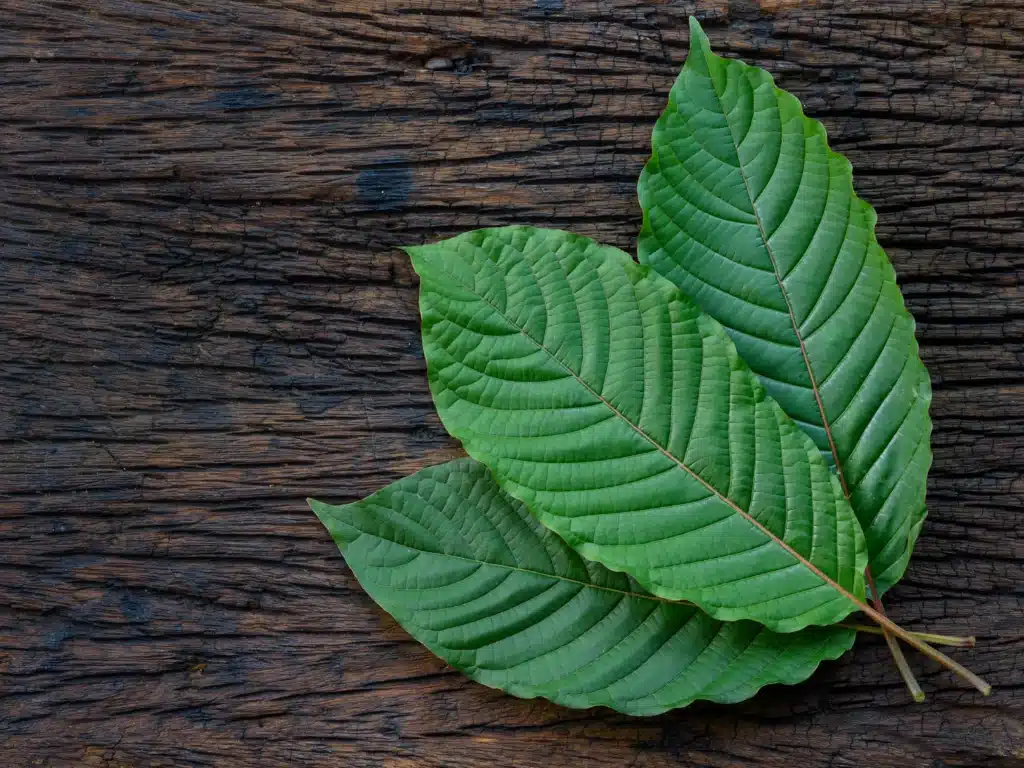
In its natural form, kratom is a tropical tree that grows in South America. Its leaves contain psychoactive ingredients that can cause both stimulation and sedation when consumed. But can this plant, often marketed as a natural supplement, be deadly?
Discover how kratom affects the body, why it can cause an overdose, and what to do in an overdose situation.
Key Facts
Yes, you can die from kratom overdose.
Kratom interacts with opioid receptors which can cause heavy sedation to the point of breathing cessation.
Risk from kratom use is unpredictable, due to extreme variances in product potency and personal health factors.
Mixing kratom with other substances including doctor prescribed drugs increases the risk of overdose.
If severe overdose symptoms are present, call 911 immediately. Don’t wait for kratom to “wear off.”
To prevent kratom overdose, seek help for kratom misuse or dependence in the form of medical detox, counseling, or substance use disorder treatment.
Can Kratom Kill You? The Short Answer
Yes. But there’s more you should know.
Can You Die From Kratom Use?
Kratom-related deaths are not as common as opioid-related deaths, but they can happen. Fatal overdose risk is greatest when high-potency kratom products or other substances are involved, but it is possible to overdose and die solely from kratom use.
This kratom poisoning happens when a person ingests more kratom than the body can handle – either in quantity or potency. The substance may interact with other drugs in the body, or it may overload the body on its own. Either way, a dangerous level of kratom toxicity occurs which causes a lethal shutdown of the body’s systems.
How Kratom Overdose Happens in the Body
Kratom interacts with opioid receptors in the brain. In small doses, it can cause stimulant effects. In larger doses, it acts as a sedative.
As with opioids, if a person ingests large amounts of (or highly potent) kratom, it can cause heavy sedation to the point of slowing or stopping breathing. However, a kratom overdose may look different from an opioid overdose, as it can include agitation, high blood pressure, and vomiting.
Is There a “Lethal Dose” of Kratom?
There’s no single, reliable lethal dose of kratom because products vary wildly in alkaloid content (the chemical compounds found in kratom – mitragynine and 7-hydroxymitragynine/7-OH). In other words, a specific amount of one substance could be lethal, while the same amount of another is not.
“How much is too much” also depends on a person’s tolerance and whether they are mixing kratom with other drugs.
Product type is another important factor. Extracts are typically much more potent than powders. Kratom products such as “extract shots,” “enhanced kratom,” and “7-OH products” pose higher risk for overdose.
Why Kratom Products Are Unpredictable
The FDA does not approve Kratom for any medical or dietary use in the U.S. However, it is not illegal, so many companies market kratom products for pain relief, energy boosts, or mood enhancement.
However, since the products aren’t FDA-regulated, companies often fail to include potency information, dosing recommendations, or detailed ingredient lists on their products. Yet, different batches of kratom, brands, and forms of the substance vary widely in strength. The result: consumers don’t really know what they’re ingesting or how it might affect them when they use kratom products.
Our Addiction Treatment Centers
More Locations
Why Some Kratom Overdoses Turn Deadly
You’ve probably heard of people who have used kratom without overdosing or dying. So, what makes kratom use deadly? Three things.
1. Mixing Kratom with Other Substances
This is the biggest risk factor for lethal kratom overdose. When kratom is combined with alcohol, benzodiazepines, opioids, sleep meds, or gabapentinoids, the central nervous system can become too depressed. The result: breathing stops.
This mixing of substances can also mask warning signs of overdose.
2. High-Potency Products
Concentrates, extracts, and 7-OH products can generate much higher alkaloid exposure than powder products, making accidental overdose more likely. The strength of these products can also cause a faster onset of overdose with increased risk of vomiting, fainting, or respiratory compromise.
3. Health Conditions and Medical Interactions
Individuals who are older, smaller in body size, have liver or kidney disease, or have heart issues are more vulnerable to kratom overdose.
Those taking other substances, such as antidepressants, stimulants, antipsychotics, or other prescribed medications, may also be at risk for drug interactions that increase the risk of overdose.
Note: If you’re on daily medications, your overdose risk can be higher and less predictable.
Kratom Addiction & Treatment
Kratom products are available in some states via the internet and in-person shops. However, the U.S. Food and Drug Administration (FDA) hasn’t approved any prescription or over-the-counter products that contain kratom. The FDA also says kratom isn’t appropriate for use as a dietary supplement and cannot lawfully be added to foods. Some states have passed […]
While kratom is often sold over the counter, it’s not a safe drug for recreational use. Many people experiment with this drug and quickly become addicted to it. Even when they want to quit, they can’t make sobriety stick. More than 14,000 addiction treatment facilities exist in the United States. Some offer intensive care, while […]
Confusion, impaired balance, and feeling too sleepy to stay awake are signs that the overdose is escalating to a more severe level.
Note: Repeated redosing can worsen symptoms over time, especially when extracts are used.
Severe (Emergency) Symptoms of Kratom Overdose
The following are red flags that indicate emergency assistance is required.
Call 911 immediately if these symptoms are present.
Slow/shallow breathing
Bluish lips/skin
Severe confusion
Inability to wake up
Seizures
Collapse
Chest pain
Note: Heavy sedation combined with vomiting poses a risk for choking while unconscious.
What to Do If You Suspect a Kratom Overdose
Immediate Steps (Before Help Arrives)
Call 911 for severe symptoms—don’t wait for kratom to “wear off.”
Put the person on their side if drowsy or vomiting – Stay with them and monitor their breathing.
Don’t give them any more substances.
Don’t force them to eat or drink anything.
Don’t try to “walk it off” if they’re confused or very sedated.
Medical Care (After Help Arrives)
Emergency care may include airway/breathing support, heart monitoring, IV fluids, symptom control for agitation/vomiting, and seizure treatment if needed. Clinicians may consider administering naloxone if opioid-like respiratory depression is present, especially when substance mixing has occurred.
It is possible that delayed worsening of symptoms can occur when strong products or combinations of products are used. This makes medical observation after an overdose crucial. Even if the person seems improved, they could take a turn for the worse, so remaining under supervision is necessary.
Preventing Overdose
To reduce the risk of overdose, take the following precautions:
-Avoid polysubstance use. -Avoid high-potency products. -Get help for kratom misuse.
To determine if you or a loved one needs help for kratom dependence, watch for the following signs of kratom use disorder:
-Needing more to feel the same effects -Experiencing withdrawal symptoms -Cravings for kratom -Continued use despite harmful effects
To get help, consider these next steps:
-Get an evaluation for medically supported taper/detox. -Get treatment for any co-occurring anxiety/depression if kratom is being used to self-medicate.
Frequently Asked Questions
Can Naloxone Reverse a Kratom Overdose?
Naloxone may help if the overdose involves opioid-like breathing suppression or unknown opioid exposure. However, naloxone is not a substitute for emergency care when breathing is slowed or the person can’t be awakened.
When Should I Call 911?
A kratom overdose can be deadly. Call 911 if the person is experiencing slow or shallow breathing, seizures, chest pain, severe confusion, inability to wake up, bluish lips/skin, or collapse. They should remain under medical supervision even after symptoms subside, to monitor for potential delayed symptoms.
How Long Can Kratom Overdose Symptoms Last?
The duration of symptoms varies by product type, how much was taken, and whether other drugs were involved. Persistent vomiting, confusion, or heavy sedation lasting hours is cause for seeking medical help.
Can You Overdose on Kratom the First Time You Use It?
Yes. First-time or low-tolerance users can have severe reactions, especially with potent products or mixing products/substances. Product strength and individual sensitivity are often unknown, so any time kratom is used, there is some unpredictability involved.
Find Treatment
Support for kratom dependence, misuse, or addiction is available. Boca Recovery Centers offer accredited treatment for kratom and co-occurring substance use and mental health disorders.
We provide evidence-based treatment that has earned an average 4.8-star rating across all our facilities. Learn more about kratom treatment options today and take the first step toward healing.
Interested in addiction treatment? We’re here to help.