Rehab Aftercare & Alumni Program in Springfield, MA
200 Kendall St•Springfield, MA
4.8
154 Reviews
Aftercare in Springfield, MA
Staying Sober After Rehab in Springfield, Massachusetts
Residents of Springfield, MA, are living in one of Massachusetts’s hardest-hit areas for opioid overdoses. In 2024, there were 615 overdose incidents in Hampden County.
For those facing opioid use disorder or other addictions, the 64-bed Boca Springfield campus serves as a hub for Western New England recovery, offering both residential care and aftercare in Springfield, MA. This follow-through approach provides a critical lifeline.
Why? Residential treatment alone simply isn’t enough. In an area of prevalent opioid abuse, individuals returning to familiar environments after up to 90 days of residential addiction treatment face significant challenges. Boca’s rehab alumni program in Western Massachusetts acts as a structured safety net that keeps clients connected and supported.
How Our Aftercare and Alumni Program Works
Our aftercare program in Springfield, MA is integrated with treatment. Planning starts during residential rehab, not after discharge. Boca’s team coordinates step-down placement with trusted Massachusetts partial hospitalization programs (PHPs), intensive outpatient programs (IOPs) and outpatient providers.
Community Supports
After inpatient addiction care ends, residents of Massachusetts can receive ongoing support through several community programs:
Community Behavioral Health Centers: These centers offer a 24/7 resource for ongoing crisis and substance use disorder support.
MA Helpline: This support line (800-327-5050) connects residents to aftercare services.
413Cares/Greater Springfield Opioid Crisis Collaborative (GSOCC): This free online platform connects residents to aftercare allies that can provide ongoing support.Relapse Prevention Strategies That Work
Relapse Prevention Strategies That Work
Relapse is a process, not a single event. It progresses from an emotional reaction to a mental state to a physical action. Relapse prevention skills must address this process.
These core skills are reinforced through Boca’s aftercare. They include trigger identification, cognitive restructuring, mindfulness and stress management.
Also important to relapse prevention are maintaining structure in your day, attending support meetings and staying connected. Boca’s check-in process catches early warning signs of relapse before they escalate. Boca’s aftercare support also helps you plan for high-risk situations such as work stress or social gatherings.
Connect With Our Springfield Alumni Team
Your treatment at Boca Recovery Center in Springfield, MA is the foundation. Aftercare is how you build on it. Call our treatment specialists today to learn more about our rehab alumni program in Western Massachusetts. We will help you verify insurance and take the next steps toward recovery.
13,000 + Patients Treated
Top 10% Rehabs in the U.S.
Services
What else does Boca’s rehab alumni program in Western Massachusetts offer? Services include:
Our team monitors alumni progress and intervenes early if warning signs emerge.
Alumni are connected to local 12-Step groups, SMART Recovery and faith-based recovery communities in the Springfield area.
Individuals have access to the broader Boca alumni network across multiple states, which provides crucial support, encouragement and accountability.
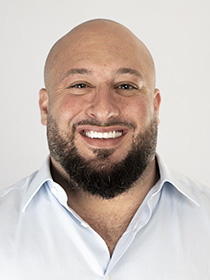
Christopher Ferry is an experienced leader in behavioral healthcare, having owned and operated several facilities before founding Boca Recovery Center in 2016. He has overseen the operation and growth of Boca Recovery Center, expanding it from a singular treatment facility into a nationwide provider. Christopher is a Certified National Master Interventionist, receiving his certification from the National Association of Drug & Alcohol Interventionists. Additionally, he embarked on his journey to sobriety on 2/21/13. Christopher has also extensively studied marketing and business development, remaining hands-on with all marketing efforts.
Learn more about Christopher at ChristopherFerry.org.
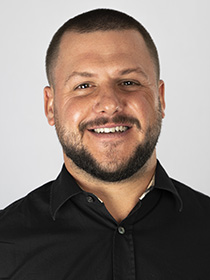
Joe grew up in New Jersey which is where he originally tried to get help for his addiction, finally coming to Florida he was able to get sober. He has worked in the field of addiction since 2013 as a licensed interventionist and assisting in the admissions process.
Being in recovery himself, Joe can relate to and aid others in the recovery process. He helps clients with the entire admissions process including tours of our facilities for clients and family members, transportation arrangements, and getting clients settled once they arrive.
Joe understands the days leading up to admitting into a facility can be stressful and aims to make the process as comfortable as possible for clients and their loved ones.
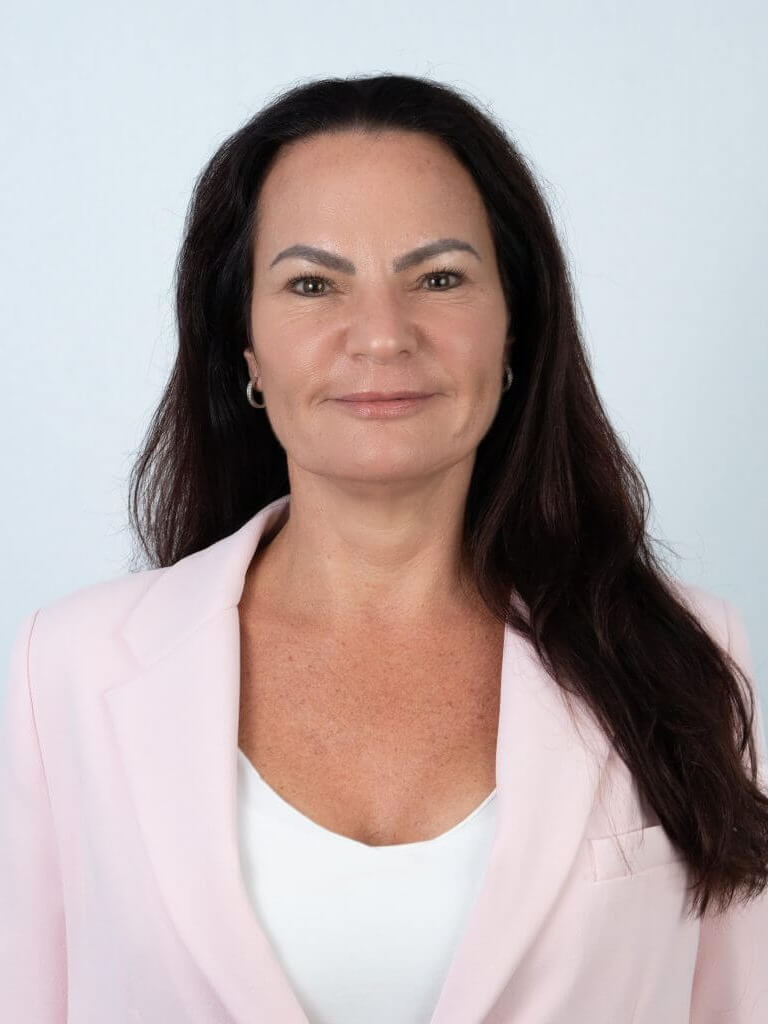
Dr. Alison Tarlow is a Licensed Clinical Psychologist in the states of Florida, New Jersey, Indiana, and Pennsylvania. She is also a Certified Addictions Professional, Internationally Certified Alcohol and Drug Counselor (ICADC), Certified Clinical Supervisor, Certified Recovery Residence Administrator, and Florida Supreme Court Certified Family Mediator.
Dr. Tarlow began her education in South Florida, completing her undergraduate and graduate degrees in Psychology. She began her career working at The Renfrew Center, an eating disorders and mental health facility in Coconut Creek, Florida, and has worked in private practice for over 20 years. For the past 10 years, Dr. Tarlow’s clinical work has focused on the treatment of substance use and co-occurring mental health disorders. In 2014, she became Clinical Director of a treatment program in Fort Lauderdale, Florida. She then transitioned to Boca Recovery Center in January 2018, in the role of Clinical Director, where she has been involved in the start-up of their Detoxification and Residential treatment facilities in South Florida, New Jersey, and most recently, Bloomington, Indiana.
In August 2020, Dr. Tarlow was honored to accept the position of Chief Clinical Officer for Boca Recovery Center. Dr. Tarlow enjoys every aspect of her clinical role, which includes oversight and supervision of the clinical teams at each of our three locations, maintaining the highest standards for client treatment and care, and using social media platforms to provide education and insight into the many issues that present with substance use disorders.
What to Expect
Massachusetts' Continuum of Care — What Comes After Inpatient Treatment
Massachusetts offers a structured step-down pathway that guides individuals through recovery for lifelong success. This journey involves five main steps, followed by aftercare.
The Massachusetts Bureau of Substance Addiction Services (BSAS) oversees care quality for facilities across the state, providing licensing and monitoring of counselors and programs.