Get Help NowGET HELP NOW • CONFIDENTIAL & FREE(800) 516-4357
Kratom Side Effects
What are the most common kratom side effects? Are they life-threatening? Are they short-term or long-term?
Discover why kratom side effects vary and what risks they pose. Learn if you’re at high risk, and, most importantly, what to do when you experience kratom side effects.
Key Facts
Kratom side effects vary based on dosage, product potency, and a person’s health.
Short-term: Kratom use can affect multiple bodily systems as well as mental health.
Long-term: Kratom use can lead to increased tolerance and addiction.
Unregulated kratom products make side effects harder to predict.
Mixing kratom with other substances, including prescription medications, increases risk of side effects.
People with certain medical conditions or who have a substance use disorder are at higher risk for side effects.
Support is available to treat kratom side effects comfortably and safely.
Is Kratom Bad For You?
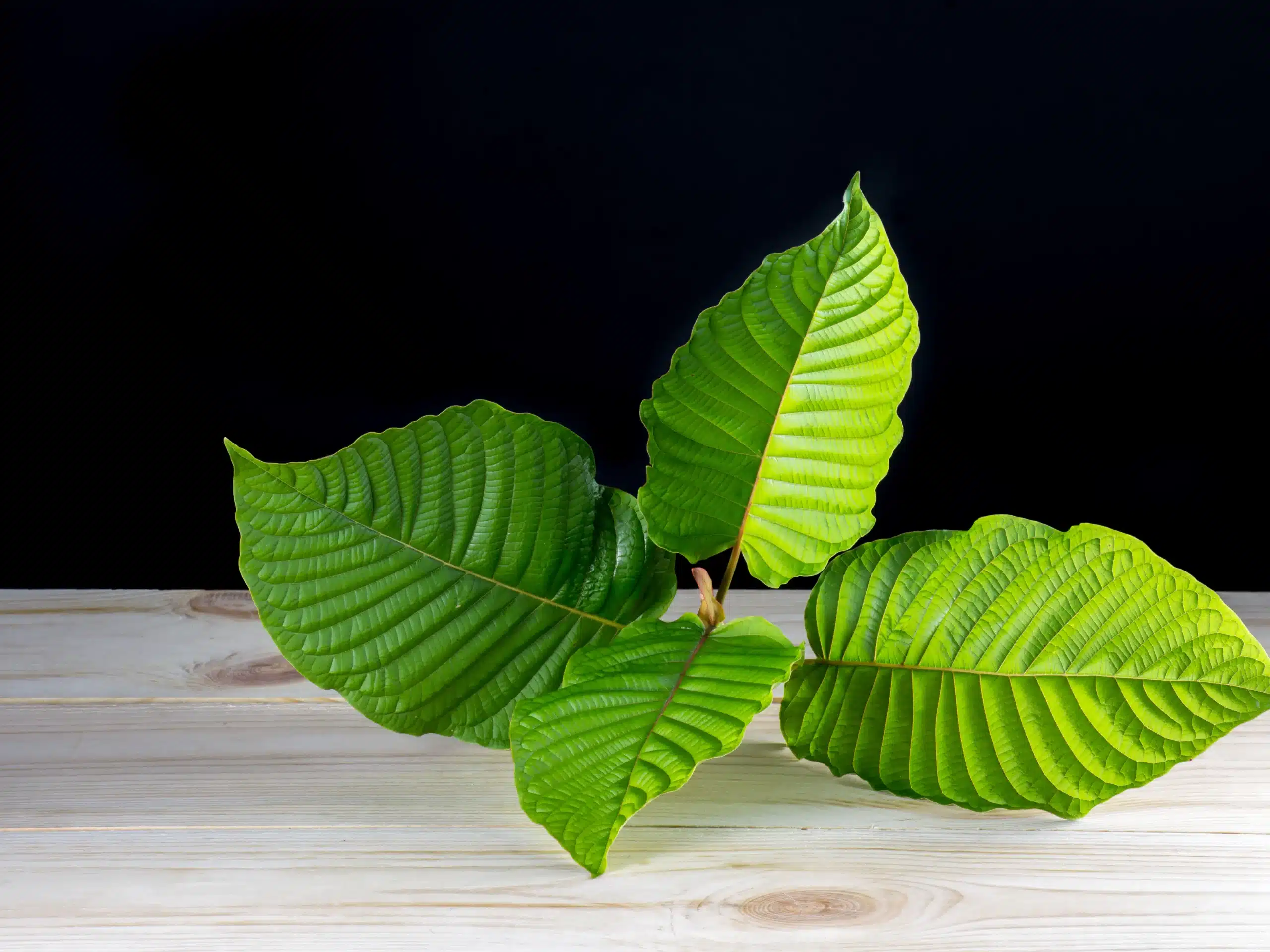
How could a natural plant like kratom be bad for you? Discover how kratom affects the body, its addictive properties, and the health risks involved with use. Kratom 101: What It Is and How It’s Used Kratom (mitragyna speciosa) is a tropical tree native to South America. Its leaves contain chemical compounds—mitragynine and 7-hydroxymitragynine/7-OH—that can […]
Key Facts Opioid Withdrawal and Kratom Use How Kratom Works—and Why Effects Vary Kratom may blunt some opioid withdrawal symptoms, but these results vary and come with great risk. Here’s the science behind what’s going on. Kratom Contents: 7-OH and Mitragynine Kratom contains two alkaloids (organic compounds that contain nitrogen). These compounds, mitragynine and 7-hydroxymitragynine […]
As you read about kratom side effects or hear about others’ experiences, it becomes clear that these effects aren’t consistent. Even the same person can experience different side effects at different times. Why?
Several factors are at play.
Dosing
Due to how kratom interacts with the body, it causes different effects based on dosage. At lower doses, kratom has a more stimulant-like effect. Higher doses, however, cause sedative effects (similar to opioids).
Product Potency
Kratom products vary in intensity. Extracts and shots, for example, are typically more potent than powder forms.
Kratom batches also vary in their potency so the same product could have more intense side effects at one time than another. Plus, kratom products aren’t regulated, so labels are often inconsistent, and they may not disclose all contaminants or additives included that could change the side effects.
Health History
Each person can be affected differently by kratom, due to underlying health issues present, such as liver or heart disease, or seizure risk. A mental health history can also influence how side effects manifest as well as their intensity.
A history of opioid or other substance use, or mixing substances, also influences what side effects occur as well as their intensity.
Our Addiction Treatment Centers
More Locations
What Are the Short-Term Side Effects of Kratom Use?
While the occurrence and intensity of side effects can vary, several short-term effects are common.
Digestive Side Effects
These are the most common types of side effects of kratom use. The substance can cause nausea, vomiting, constipation, stomach cramps, and changes in appetite.
These side effects can pose a risk for dehydration, hemorrhoids/straining, and disrupted eating patterns.
Sedation Side Effects
The sedative effects of kratom can cause dizziness, drowsiness, sleep disruption, and a “foggy” feeling along with slowed reaction times. These side effects make it unsafe for driving or operating machinery while under the influence of kratom.
Irritation Side Effects
Other side effects can stem from general irritation of the body’s systems. These include dry mouth, sweating, flushing, itching, and frequent urination.
Liver Side Effects
Kratom use can cause liver problems or damage, which can result in yellowing of the eyes and/or skin, dark urine, pale stools, intense itching, and upper-right abdominal pain.
Potentially Lethal Side Effects
Kratom can cause rapid heart rate, high blood pressure, irregular heartbeat, and chest pain. Tremors, seizures, and slow or shallow breathing/extreme sedation that can be caused by kratom use are emergency red flags. Call 911 if these symptoms occur.
Mental Health Effects
Kratom use can cause confusion, agitation, hallucinations/delusions, and severe anxiety or panic.
What Are the Longer-Term Side Effects of Repeated Kratom Use?
Repeated use of kratom can lead to chronic issues that have long-term effects.
Tolerance
With repeated use, the body begins to build up a tolerance to kratom. This means you’ll need to take more and more of the substance to feel the same effects. This escalation increases side effect risks, and it can turn mild issues into chronic problems. It can also lead to addiction.
Mood Changes
Kratom use can lead to anxiety swings, low mood, and irritability. “Emotional flattening” or social withdrawal can show up with heavier use. Chronic effects can also include lower libido and reduced energy.
Sleep Problems
Kratom use can affect sleep patterns, causing either insomnia or oversedation.
Skin Changes
Longer-term use of kratom can affect the skin. Some people experience darkening or flushing of the skin, as well as itching.
Interactions and Product Safety Risks
Mixing Kratom with Other Substances
This is a high-risk scenario. Combining kratom with alcohol, opioids, benzos, or sleep medications can cause oversedation of the respiratory system, which can cause breathing to stop.
Using both kratom and stimulants, such as caffeine or ADHD medications, can cause overstimulation. This can result in jitteriness, anxiety, or high heart rate.
Potential Medication Interactions
If you take daily prescriptions, there is a potential for dangerous interactions with kratom. Always check with your clinician or pharmacist about potential side effects.
Risks of Unregulated Products
Kratom is not FDA-approved. Its products are unregulated. This means they can vary widely in strength. Even the same dose of two different products, or two different batches of the same product, can be unpredictable.
There are also contamination concerns. Heavy metals, bacteria, or additives might be present in the kratom product but are undisclosed. This makes it hard to know exactly what you’re using and makes side effects unpredictable.
Who Is At Highest Risk of Kratom Side Effects?
While kratom side effects can pose risks for anyone, certain individuals are at higher risk, due to physical or mental health factors.
Pregnancy and Breastfeeding
Kratom use has the potential to cause withdrawal and other complications in newborns. Women who are pregnant or breastfeeding should avoid kratom use. However, if you are pregnant and using kratom, don’t stop abruptly without medical guidance. A clinician can provide support for safely tapering your use or providing withdrawal support.
Age Bracket
Older adults and teens are at higher risk for side effects. For older adults, increased dangers include fall risks.
Medical Vulnerabilities
If you have heart disease, high blood pressure, liver disease, seizure history, or severe anxiety/psychosis history, you are at higher risk from kratom side effects.
Substance Use Disorder
Those who have a history of or are currently experiencing a substance use disorder are at greater risk of kratom side effects. Kratom can reinforce compulsive use patterns and trigger cravings for other substances.
If you’re using kratom to self-treat opioid withdrawal, consider safer, evidence-based options.
What To Do If You’re Experiencing Kratom Side Effects
Some kratom side effects are unpleasant, but they aren’t life-threatening. Other side effects can be lethal in certain situations. Use this guide to determine the appropriate action to take for various side effects.
For the following serious side effects, call 911:
Trouble breathing
Seizure
Severe confusion/hallucinations
Chest pain
Fainting
If you experience mild-to-moderate side effects, take steps to manage the symptoms:
Stop or reduce use
Hydrate
Avoid driving
Get ample rest
Avoid mixing substances
Seek medical support
If you can’t stop or symptoms rebound between doses, get support:
Medical evaluations
Medical detox
Supervised taper
Counseling
When symptoms rebound, this indicates your body has become dependent on kratom. At this point, you may need medical assistance to safely or more comfortably stop using kratom. Many treatment options are available to meet you where you are.
Find Treatment
Are you experiencing kratom side effects? At Boca Recovery Centers, we specialize in a variety of addiction, mental health, and co-occurring substance use disorders. Our experts can help you manage kratom withdrawal symptoms, taper off kratom, or complete medical detox.
Once you’ve recovered from kratom side effects, our evidence-based treatment options can help you recover from any addiction you’re facing, maintain sobriety, and move forward on a healthy path. Learn more about our treatment centers and get started today.
Interested in addiction treatment? We’re here to help.