Short-Term Inpatient Drug Rehab in Englewood, NJ


Short-Term Inpatient Drug Rehab in Englewood
Short-term inpatient drug rehab is a focused residential stay that concentrates treatment into a limited window of time. At Boca Recovery Center in Englewood, NJ, that means full days of structured therapy, medical oversight, and deliberate planning for what comes next. It is built for people who need real treatment but cannot step away from work or family for months.
Who a Short-Term Stay Fits
Short-term inpatient care tends to fit three situations. You have a demanding job or caregiving responsibilities that cap how long you can be away. You have completed detox and need a stabilizing stretch of residential care before stepping down. Or you know outpatient treatment alone has not been enough and you need a stronger reset. The Substance Abuse and Mental Health Services Administration outlines a range of treatment options for exactly this reason: the right level of care depends on your circumstances, not a standard formula.
How a Shorter Stay Stays Intensive
What a short-term program gives up in length, it makes up in density. Your schedule runs from morning to evening: individual therapy, group sessions, education, and skill practice, with clinicians adjusting the plan in real time. The National Institute on Drug Abuse reports that behavioral therapies help people change the attitudes and behaviors behind drug use; a compressed stay simply delivers more of that work each day.
The Step-Down Plan Carries the Result
An honest note: a short residential stay is a strong start, not a finish line. That is why aftercare planning begins at admission. Your team maps the step down into a partial hospitalization program or intensive outpatient program, along with counseling and community support near home. New Jersey's Division of Mental Health and Addiction Services maintains statewide resources that can also support you after discharge.
Frequently Asked Questions
How long is short-term inpatient drug rehab?
Lengths vary by person and program. Your clinical team recommends a duration after your assessment, based on your substance use history, health, and obligations, and reviews it with you as treatment progresses.
Is a short-term stay enough for lasting recovery?
It can be a decisive start when it is followed through. The stay stabilizes you and builds core skills; the step-down plan and ongoing support carry those gains into daily life. The two parts work together.
Can I use short-term inpatient rehab as a step down after detox?
Yes. Moving from medically supervised withdrawal into a short residential stay is one of the most common paths through this program. It bridges the gap between detox and outpatient care.
Services
A short-term inpatient stay in Englewood draws on the full clinical toolkit, delivered at higher intensity:
A prompt but thorough intake that establishes your substance use history, health status, and goals, so treatment starts working from day one.
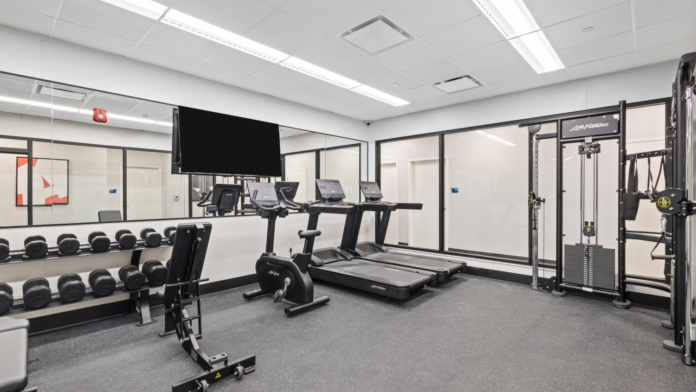
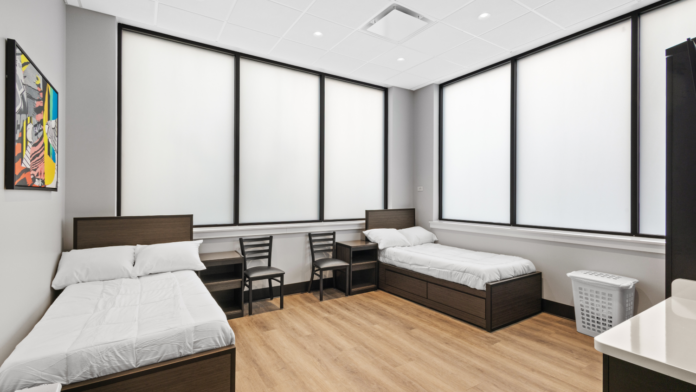
Housing, meals, and a full clinical schedule under one roof through residential care, with the distractions and triggers of daily life held at a distance.
Multiple sessions each day with licensed clinicians, using evidence-based methods to fit meaningful therapeutic work into a shorter stay.
Depression, anxiety, and trauma are assessed and treated alongside substance use, so even a brief stay addresses the whole picture.
Your discharge plan is arranged before you leave: outpatient levels of care such as an intensive outpatient program, counseling, and supports scheduled and confirmed.
Facility Staff

What to Expect
Short-term inpatient treatment moves quickly by design. Here is how the Englewood team keeps it organized:
Assessment, orientation, and your initial plan happen quickly so no part of your stay is wasted. You will know your schedule and your care team from the start.
Programming runs through the day: therapy, groups, education, meals, and rest at set times. The structure itself is part of what you take home.
Clinical staff are available day and night. Questions, cravings, and hard moments do not wait for office hours, and neither does support.
You leave with appointments made, not suggestions offered. Step-down care, counseling, and contacts are in place before your last day.
Location Information
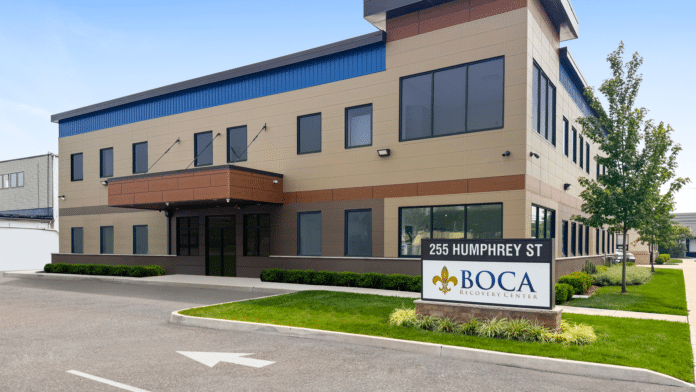
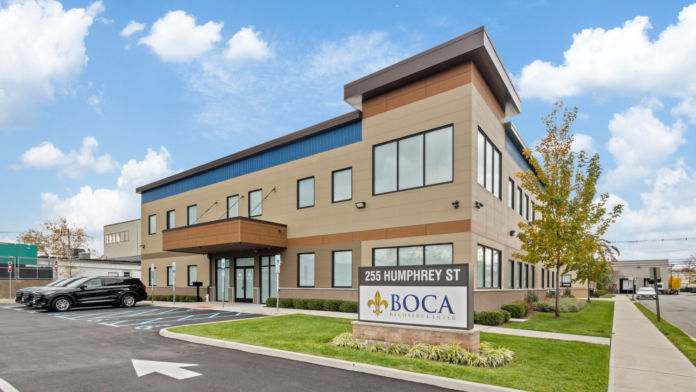
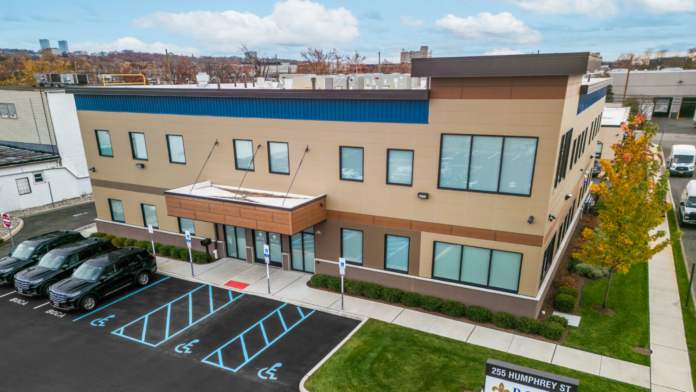
Short-Term Inpatient Drug Rehab in Englewood, NJ255 Humphrey St, Englewood, NJ 07631
Dr. Alison Tarlow is a Licensed Clinical Psychologist in the States of Florida and Pennsylvania, and a Certified Addictions Professional (CAP). She has been a practicing psychologist for over 15 years... Read More