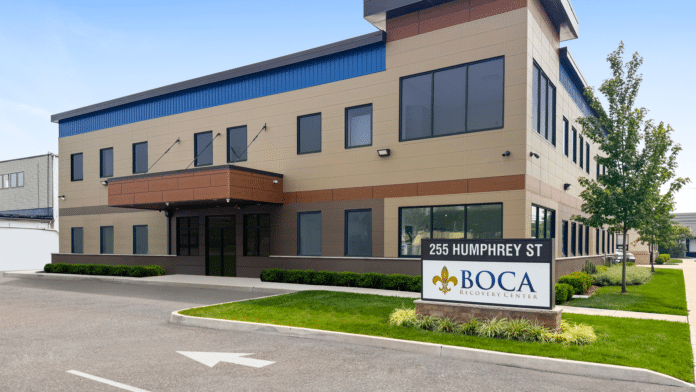
Evidence-Based Addiction Treatment in Englewood, NJ


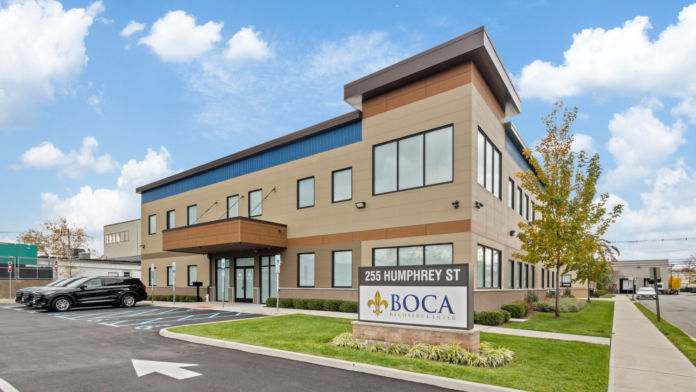

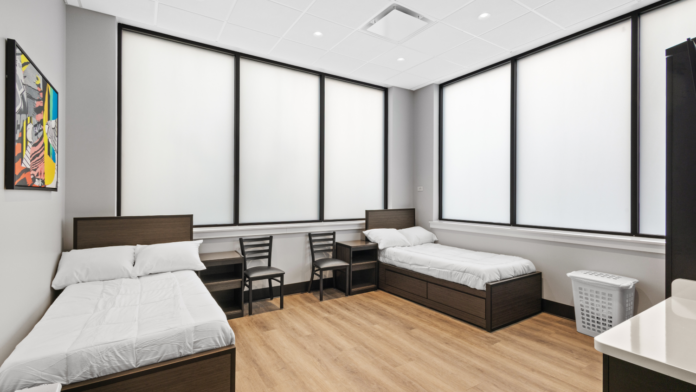

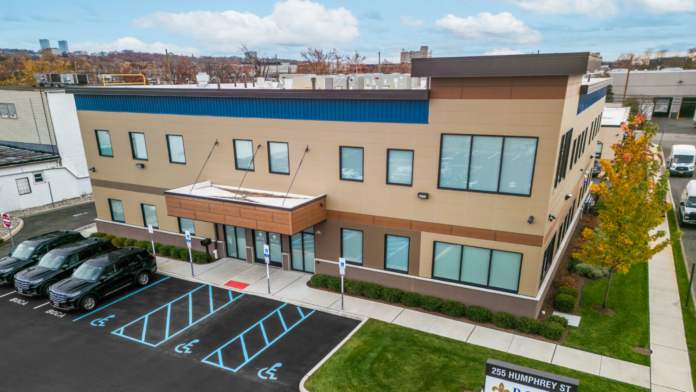
Evidence-Based Addiction Treatment in Englewood
Evidence-based addiction treatment means every element of your care plan is supported by published research rather than tradition or intuition. At Boca Recovery Center in Englewood, NJ, that standard shapes the whole program: clinicians use therapies with demonstrated results, including cognitive behavioral therapy (CBT), dialectical behavior therapy (DBT), and motivational interviewing, and match them to your clinical assessment. It applies at every stage of care, from medically supervised detox through residential treatment and aftercare.
What Evidence-Based Means in Practice
The National Institute on Drug Abuse is direct about it: addiction is a treatable disorder, and research-based methods help people stop using drugs and rebuild their lives. At our Bergen County facility, that translates into three commitments. Therapies are chosen because studies show they work. Your plan follows a structured assessment rather than a default schedule. And progress is reviewed against clear goals, with the plan adjusted when your response to treatment says it should be.
The Modalities and Why We Use Them
Cognitive behavioral therapy helps you identify the thought patterns that lead to substance use and build practical responses to them. Dialectical behavior therapy adds skills for regulating intense emotion and tolerating distress without using. Motivational interviewing meets ambivalence honestly, strengthening your own reasons for change instead of lecturing you about them. For alcohol specifically, the National Institute on Alcohol Abuse and Alcoholism's Alcohol Treatment Navigator highlights the same markers of quality, evidence-based care that we hold ourselves to.
How Research Shapes Your Care Plan
Your plan starts with a comprehensive assessment: substance use history, physical health, mental health, and life circumstances. Because co-occurring conditions such as anxiety and depression are common, dual diagnosis treatment is integrated rather than referred out. The Substance Abuse and Mental Health Services Administration's treatment resources reflect the same principle: effective care treats the person, not just the substance. As you progress, clinicians re-evaluate and adjust, the way any evidence-driven practice should.
Frequently Asked Questions
Which therapies count as evidence-based for addiction?
Approaches with consistent research support include cognitive behavioral therapy, dialectical behavior therapy, motivational interviewing, contingency management, and structured family-based therapy. The core of the Englewood program is built on CBT, DBT, and motivational interviewing.
Is evidence-based treatment the same for everyone?
No. The evidence itself says matching matters: the right combination of therapies depends on your substance use, health, mental health, and circumstances. Two people at the same facility can have very different plans, both evidence-based.
Does evidence-based treatment address mental health conditions too?
Yes. Research consistently supports treating co-occurring mental health conditions together with substance use. In Englewood, dual diagnosis care is part of the standard program, not an add-on.
Services
Each service in the Englewood program earns its place the same way: demonstrated results in published research:
One-on-one and group sessions focused on identifying the thoughts and situations that drive substance use, then building tested strategies to respond differently.
Skills-based therapy for emotion regulation, distress tolerance, and relationships, especially valuable when intense feelings have fueled substance use.
A collaborative counseling style that strengthens your own motivation for change, shown to improve engagement and follow-through in treatment.
Assessment and treatment of co-occurring conditions such as anxiety and depression alongside substance use, delivered by clinicians trained in both.
Step-down planning into a partial hospitalization program or intensive outpatient program, reflecting the evidence that continued care protects early recovery.
Facility Staff


What to Expect
Evidence-based care should feel rigorous and personal at the same time. Here is how that plays out day to day in Englewood:
Your intake covers substance use, medical history, mental health, and life context. It is thorough because everything that follows depends on it.
Sessions are not open-ended talk. Each therapy has a purpose tied to your plan, and you will know what a given week is working toward.
Clinicians track your response to treatment and adjust the plan when something is not working. Flexibility is part of the method, not a departure from it.
From detox through residential care to outpatient step-down, transitions follow your clinical progress, with each stage building on the last.
Location Information
Evidence-Based Addiction Treatment in Englewood, NJ255 Humphrey St, Englewood, NJ 07631

Dr. Alison Tarlow is a Licensed Clinical Psychologist in the States of Florida and Pennsylvania, and a Certified Addictions Professional (CAP). She has been a practicing psychologist for over 15 years... Read More