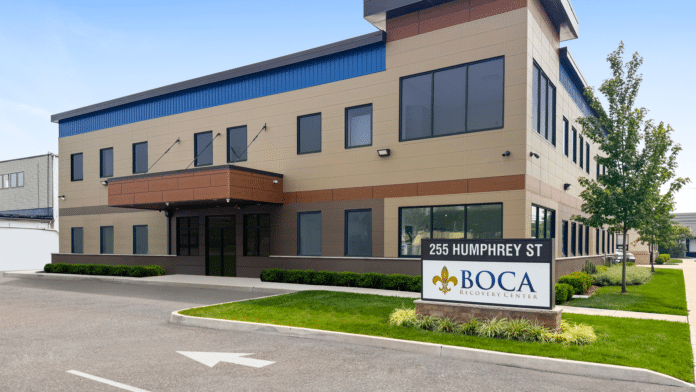
Cocaine Rehab in Englewood, NJ


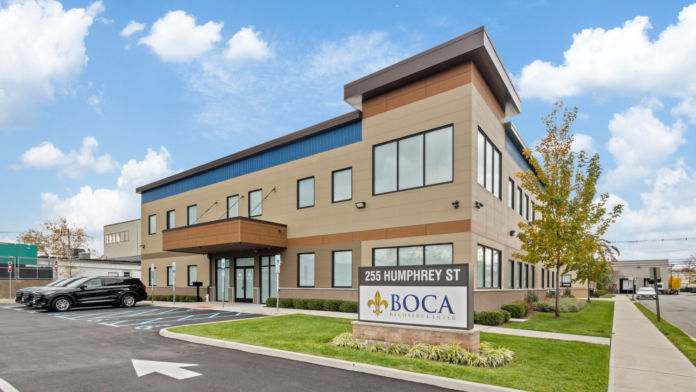
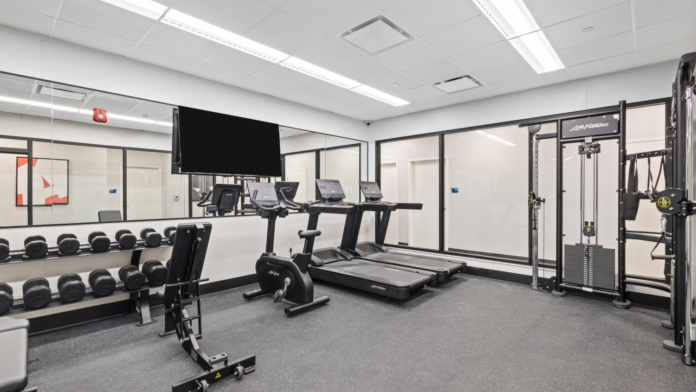
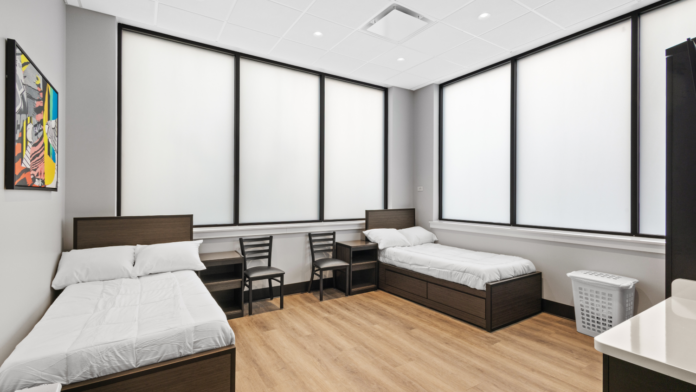
Cocaine Rehab in Englewood
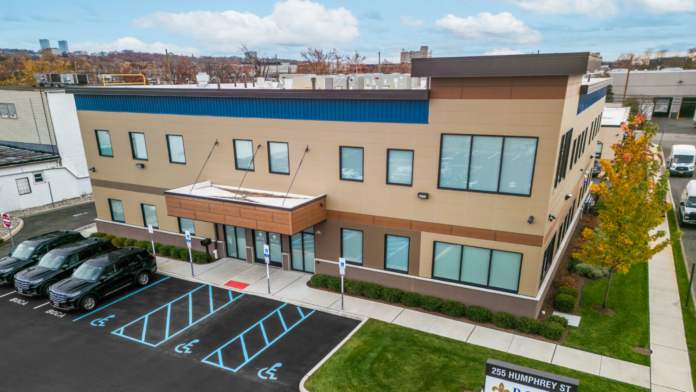
Cocaine rehab differs from alcohol or opioid treatment in one important way: no medication is approved to treat cocaine use disorder, so behavioral therapy leads the program. At Boca Recovery Center Englewood, NJ, treatment is built on cognitive behavioral therapy and incentive-based approaches with strong evidence behind them, delivered at our 40-bed facility at 255 Humphrey St in Bergen County, a short drive from New York City.
The National Institute on Drug Abuse confirms that no medications are currently FDA approved for cocaine use disorder, and that behavioral therapies are often the only available, effective treatments for stimulant problems. That is not bad news. It means the treatments that work are skills you keep for life, not prescriptions you depend on.
Why Behavioral Therapy Leads Cocaine Treatment
Two approaches anchor our program. Cognitive behavioral therapy helps you recognize the situations, feelings, and thought patterns that lead to cocaine use, then builds concrete coping skills for each one. Contingency management uses structured rewards to reinforce early abstinence, an approach NIDA highlights for helping people achieve their first drug-free weeks. Group therapy rounds out the clinical core, connecting you with peers who know exactly how strong the pull can be.
Managing the Crash and Craving Cycle
When a person dependent on cocaine stops using, the first days often bring what is commonly called the crash. MedlinePlus lists depression, restlessness, fatigue, increased appetite, bad dreams, insomnia, and slowed thinking among the symptoms that can follow stopping. Those symptoms, paired with a strong urge to use again, are where most unsupported quit attempts end. In residential care you ride out that stretch with clinical support around the clock, regular meals from our on-site chef, and a schedule that keeps recovery moving.
Cocaine Rehab Near New York City
Our Englewood facility sits in Bergen County, one to two hours from New York City and Philadelphia, and we regularly welcome people traveling from New York and Pennsylvania. We accept out-of-state insurance plans. If you are not ready to call a treatment center yet, the SAMHSA National Helpline and New Jersey's ReachNJ line are free, confidential places to start.
Frequently Asked Questions
Is there a medication that treats cocaine addiction?
No. The FDA has not approved any medication for cocaine use disorder. Our clinicians can treat co-occurring conditions such as depression or anxiety, and they monitor your health throughout, but the core of effective cocaine treatment is behavioral therapy.
What happens during the cocaine crash?
After stopping, many people experience low mood, fatigue, restlessness, increased appetite, vivid dreams, and trouble sleeping. In our program, medical and clinical staff support you through this phase so discomfort does not turn into relapse.
Do you treat people who use cocaine along with alcohol or other drugs?
Yes. Using more than one substance is common, and your assessment covers everything you are taking. Your treatment plan addresses all of it together rather than treating cocaine in isolation.
Services
Cocaine rehab at Boca Recovery Center Englewood combines proven behavioral therapies with structure, comfort, and medical oversight.
One-on-one sessions help you map your personal triggers and high-risk situations, then build the coping skills to handle each of them without cocaine.
Structured, incentive-based support reinforces each drug-free milestone, an evidence-based approach for carrying people through the critical early weeks of stimulant recovery.
Facilitated groups give you a place to work through cravings, setbacks, and wins with peers in recovery, led by clinicians who keep the work productive.
Depression and anxiety often travel with stimulant use. When a co-occurring condition surfaces during assessment or treatment, our team treats it within the same program.
Regular, nutritious meals from our on-site chef, comfortable rooms, and time to rest help your body recover alongside the clinical work.
Facility Staff

What to Expect
From your first call through aftercare, here is what cocaine rehab looks like at our Englewood facility.
You start with a comprehensive medical and psychological evaluation covering your cocaine use, any other substances, and your mental health. Your treatment plan comes directly out of this picture.
The first stretch focuses on getting you through the crash safely and comfortably, with clinical staff available around the clock and a daily structure that replaces chaos with routine.
The heart of the program: daily individual and group therapy where you learn to spot high-risk moments and respond with skills instead of cocaine.
As you progress, you step down from residential care into our partial hospitalization program, and your team helps plan and connect you to intensive outpatient or outpatient care for the stage after that. You leave with a relapse prevention plan and ongoing support options.
Location Information
Cocaine Rehab in Englewood, NJ255 Humphrey St, Englewood, NJ 07631
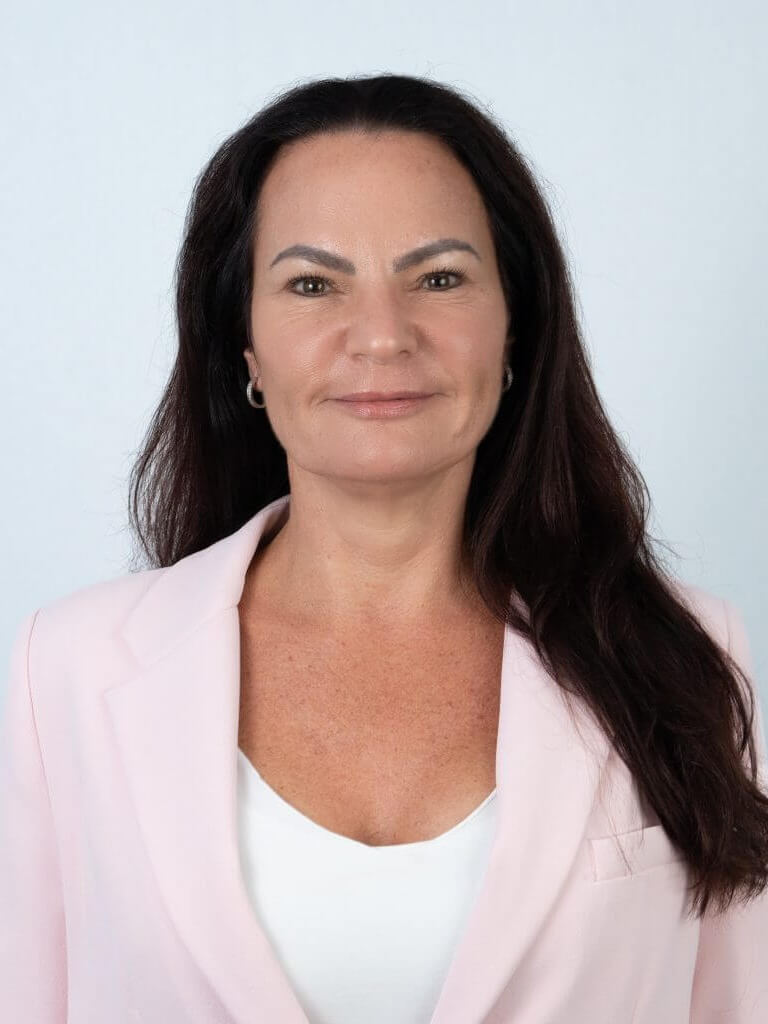
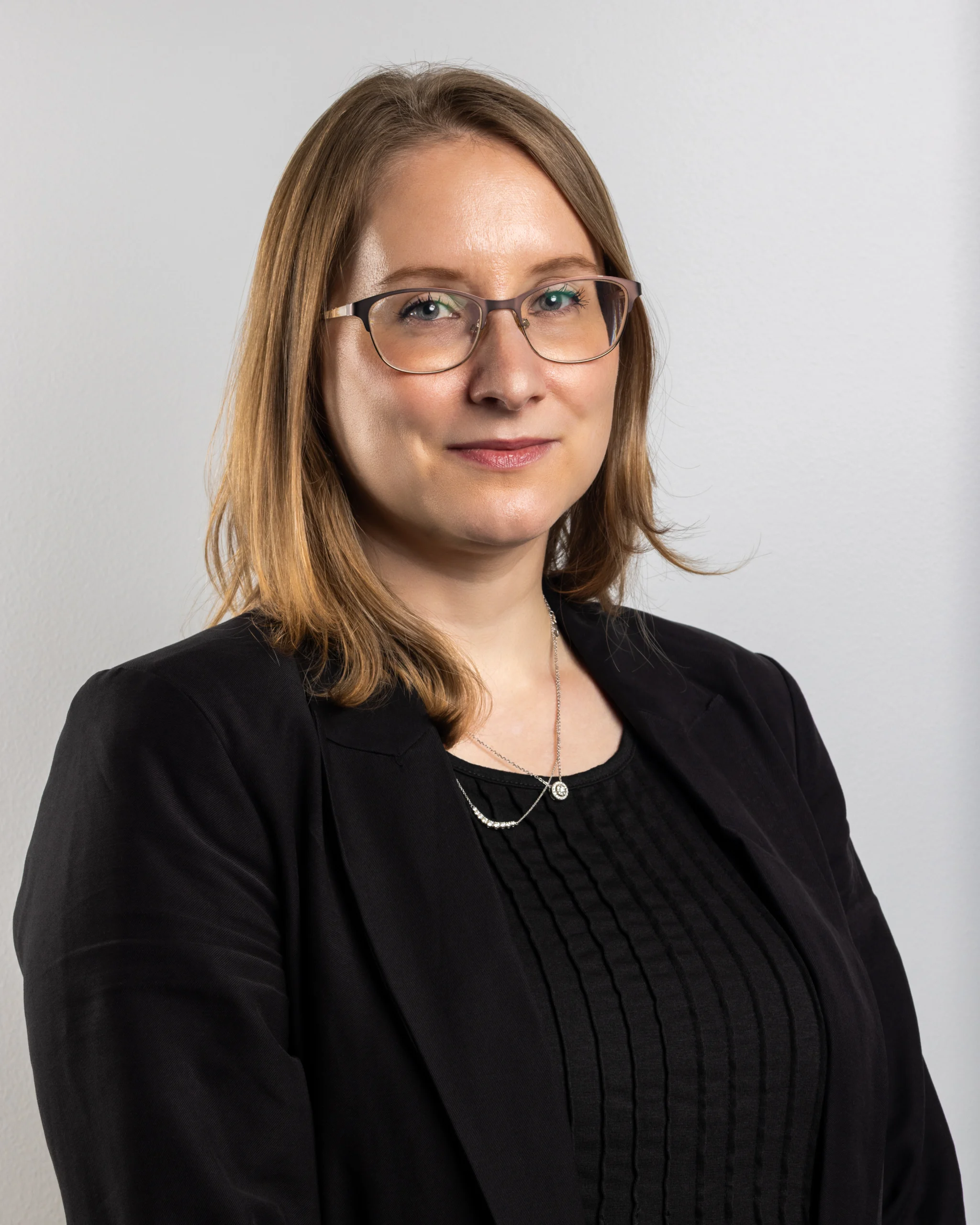
Dr. Alison Tarlow is a Licensed Clinical Psychologist in the States of Florida and Pennsylvania, and a Certified Addictions Professional (CAP). She has been a practicing psychologist for over 15 years... Read More