Get Help NowGET HELP NOW • CONFIDENTIAL & FREE(800) 516-4357
How to Taper Off and Quit Kratom
Want to taper off and quit kratom? Debating whether to go cold turkey, enter detox, or try a tapering program? Here’s what you need to know. Discover how to prepare, how to taper, and how to avoid relapse when quitting kratom.
Key Facts
Quitting kratom can be challenging due to physical dependence and withdrawal symptoms.
For some, tapering can provide a safer, more comfortable option compared to “cold turkey.”
Tapering involves four key steps to safely plan the process, carry it out, and prevent relapse.
Professional support is available to help you safely quit kratom on your terms.
Kratom Withdrawal
Kratom (Mitragyna speciosa) is a drug derived from the plant typically sold as a powder or tablet in head shops or similar stores. It isn’t yet a controlled substance under the Drug Enforcement Administration (DEA); however, they have named it a “drug of concern” due to its potential for abuse, addiction, and negative health effects. […]
While kratom is often sold over the counter, it’s not a safe drug for recreational use. Many people experiment with this drug and quickly become addicted to it. Even when they want to quit, they can’t make sobriety stick. More than 14,000 addiction treatment facilities exist in the United States. Some offer intensive care, while […]
To understand what makes quitting substances like kratom so difficult, you need to understand three things: tolerance, dependence, and withdrawal.
Tolerance
Kratom contains two opioid-like alkaloids: mitragynine and 7-hydroxymitragynine (7-OH). These chemical compounds bind with receptors in your brain to create stimulant and sedative effects.
Over time, with continued use of kratom, your brain needs more and more of the substance to achieve the same effects. This is called tolerance, and it can lead to continued and escalated use of kratom.
Dependence
Once your body has gotten used to having kratom in its system, your body becomes physically dependent on the drug. Your brain has adjusted its normal functioning and now expects the drug to be there. It is dependent on it. If kratom is not consumed, your system feels a shock (see withdrawal below).
Psychological dependence can also occur, meaning that you turn to kratom to manage mental health or emotional challenges. The result is addiction. You reach a point where you feel like you need kratom to feel normal or function from day to day, and you don’t stop using it even after it causes harm.
Withdrawal
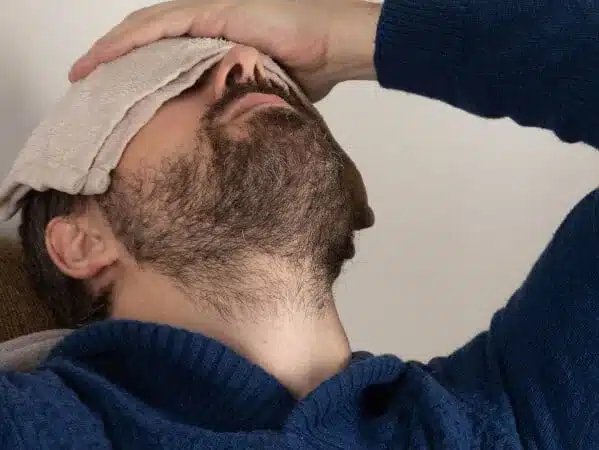
Once the body has become dependent on kratom, if you stop taking the drug, you experience withdrawal. This feels like a severe case of the flu, as your body tries to adjust to the absence of the substance. Symptoms typically include aches, chills, tremors, watery eyes, a runny nose, and nausea/vomiting. The desire to avoid these symptoms often keeps people in a cycle of use and addiction.
Is It Safe to Stop Taking Kratom? Cold Turkey vs. Taper
Due to dependence and withdrawal, when you’re ready to quit kratom, the safest and most comfortable way to do so is through tapering. While withdrawal symptoms typically aren’t life-threatening, a cold turkey approach can be extremely uncomfortable and, if symptoms aren’t treated properly, can lead to health complications.
Also important to consider is the type of products you’ve been using. Regular use of highly potent extracts and shots can make a cold turkey approach even harder.
With a tapering approach, you can still expect some withdrawal symptoms, but they will be less severe, and your structured plan can make quitting kratom feel more doable.
When to Get Medical Help
Tapering can be done on your own, but for the best results, medical supervision is recommended. This support will ensure the process is safe and will help minimize discomfort.
If you fall into any of the following categories, it is especially important to taper with medical support, due to potential complications as your body breaks free from kratom dependence:
High daily intake of kratom
Long-term daily use
Polysubstance use
Pregnancy
Significant medical conditions
Severe mental health symptoms
Additionally, if you quit kratom cold turkey or begin a tapering program and experience any of these symptoms, seek urgent medical care:
Fainting
Chest pain
Seizure-like activity
Severe dehydration
Hallucinations
Suicidal thoughts
What does medical support look like? Experts can provide an assessment to determine the best approach and treatment. Clinicians can prescribe medications for symptom relief. Medical professionals can monitor your progress for safety and comfort. You can also get referrals for other assistance you may need.
Four Steps to Tapering
If you decide to quit kratom through tapering, it’s important to follow a structured plan. Use these steps to protect your health and achieve the best outcomes.
Step 1: Stabilize Your Dose
Many people skip this step, which is a mistake. It’s important to start by baselining your current use. This means tracking how much kratom you consume each day, in what form, and when.
Consistent measuring is important to reduce accidental under- or overdosing as you start to taper.
If you’re using extracts, consider stabilizing onto a consistent, measurable form before tapering, so there’s less day-to-day swing in potency.
Step 2: Create a Kratom Taper Schedule
This should be a simple framework with built-in flexibility. The following is a common approach:
1.Reduce your total daily kratom intake by a small amount (typically 5-10%) 2.Hold for several days 3.Repeat
Tips: – Go slower if withdrawal symptoms spike. – Keep dosing times consistent. – Plan for “pause weeks” if you experience high-stress periods, rather than abandoning the taper process.
Troubleshooting Intense withdrawal: Hold for a longer period, and make the next reduction smaller. Prioritize sleep, nutrition, and hydration to mitigate symptoms.
“Slips”: If you “slip,” simply note what happened and what you need to change going forward. Treat the slip-up as data to record and learn from, rather than a failure or need to start over. This isn’t an all-or-nothing process.
Final phase: Reduce by smaller amounts near the end, and plan a “last dose” date. Be sure to have extra support lined up after the last dose, such as a support group or counseling, to help you stay on track.
Step 3: Manage Kratom Withdrawal Symptoms
What to Expect from Withdrawal Withdrawal symptoms begin within hours after a missed dose or significant reduction in kratom intake. Symptoms peak over the first few days, then gradually improve. Severity varies by dose, duration of use, and type of products used.
In addition to the flu-like symptoms mentioned previously, kratom withdrawal can also cause restless legs and insomnia, as well as mental symptoms such as anxiety, brain fog, low mood, and irritability.
As you work through this process, it’s helpful to view withdrawal as a “temporary nervous system rebound.” It’s not an indication you can’t quit or a reason to give up.
What to Do for Withdrawal Symptoms Insomnia: Use sleep hygiene basics: Keep a consistent sleep schedule, be careful about caffeine consumption, use a wind-down routine, avoid screen-time right before bed, and keep your sleeping space cool and dark.
Restless legs: Do gentle stretching, go for a walk, or take a hot shower/bath.
Gastrointestinal issues: Eat small, frequent meals. Choose bland foods to treat nausea. Consume plenty of fiber to avoid constipation.
Aches/pains: Use heat or ice. Perform light movements such as short walks or pacing.
Cravings: Make a plan for how to handle triggers. Use accountability and check-ins for support.
Mood swings: Be aware of any worsening of anxiety or depression and get appropriate support. This can include therapy, peer groups, or other personal connections. Sunlight, gentle exercise, and a structured routine also help.
NOTE: Avoid replacing kratom with other risky substances, such as benzos or alcohol, in an effort to sleep or to treat other withdrawal symptoms.
Step 4: Staying Kratom-Free
To prevent relapse, create a simple plan:
-Identify your top relapse triggers (sleep, stress, social cues, boredom, etc.) -Create “if-then” coping scripts (If I crave kratom after work, then I will…) -Track wins and symptoms weekly to see improvement and provide motivation.
With your plan in place, take steps to replace what kratom was doing for you. If it was for pain, discuss safer pain support with a clinician. If it was for mood, consider therapy or other support for any co-occurring mental health conditions. If it was for energy, focus on any nutrition, sleep, or activity changes that will provide energy boosts.
Professional Detox and Other Support Options
You don’t have to quit kratom alone. Options are available to help you through this process.
Detox/inpatient care: Under medical supervision, you can break free from physical dependence on kratom. Clinicians oversee your progress 24/7, providing medications and treatment to minimize withdrawal symptoms and prevent complications. This option may be best if you fall into a high-risk category.
Outpatient therapy: With this option, you can receive clinical supervision without checking into an inpatient facility. Your tapering can be monitored by experts who will guide you through the process.
IOP: An intensive outpatient program is a level of care between inpatient and outpatient programs. It involves spending significant time in treatment sessions, but you return home during non-treatment times.
Peer/community support: Online or in-person groups can provide crucial support as you taper off kratom. They provide daily accountability, encouragement, and assistance with trigger planning and relapse-prevention. This support comes from others who understand what you’re going through because they’ve been there too.
FAQs About Quitting Kratom
How Long Does Kratom Withdrawal Last?
Kratom withdrawal typically peaks within four days of the last use, and symptoms subside within seven to 10 days of quitting kratom.
Several factors influence this timeline, including how long you’ve been using kratom, what types of products you used, how much you used, and any co-occurring conditions present.
Is It Better to Taper Off Kratom or Quit Cold Turkey?
If your kratom use has been short-term and low-dose, and you don’t have any health conditions that pose a risk, you may tolerate quitting kratom cold turkey. Those who have been using kratom long-term or in high quantities, or who may be at risk due to other factors, should consider tapering instead. For anyone, it is important to consider safety and relapse risks.
What’s a “Good” Kratom Taper Schedule?
Reduce your total daily intake by 5-10%, hold for several days, then repeat. Go slower near the end, focusing on consistency rather than perfect math.
Find Treatment
Support for quitting kratom is available at Boca Recovery Centers. We offer all levels of care to meet you where you are. Our accredited treatment programs have helped thousands of people facing substance abuse and co-occurring mental health disorders.
Contact us today to learn about your support options.
Our Addiction Treatment Centers
More Locations
Interested in addiction treatment? We’re here to help.