Get Help NowGET HELP NOW • CONFIDENTIAL & FREE(800) 516-4357
Xanax Addiction Treatment
What does Xanax addiction treatment look like? How does it differ from rehab treatment for other addictions?
Xanax addiction poses unique challenges that must be addressed by treatment in order to achieve successful outcomes. Discover what to look for in a treatment program and what you can expect during Xanax addiction treatment.
Key Facts
Key Facts
Xanax addiction treatment is a process that takes time and involves several steps.
Treatment for Xanax addiction is available through inpatient and outpatient program options.
Xanax addiction treatment programs take evidence-based approaches to address unique challenges of Xanax addiction.
Appropriate medications and medical supervision are important aspects of Xanax addiction treatment.
Treatment should simultaneously address any co-occurring mental health disorders (dual diagnosis).
Aftercare is a crucial piece of treatment and recovery, to prevent relapse and maintain long-term sobriety.
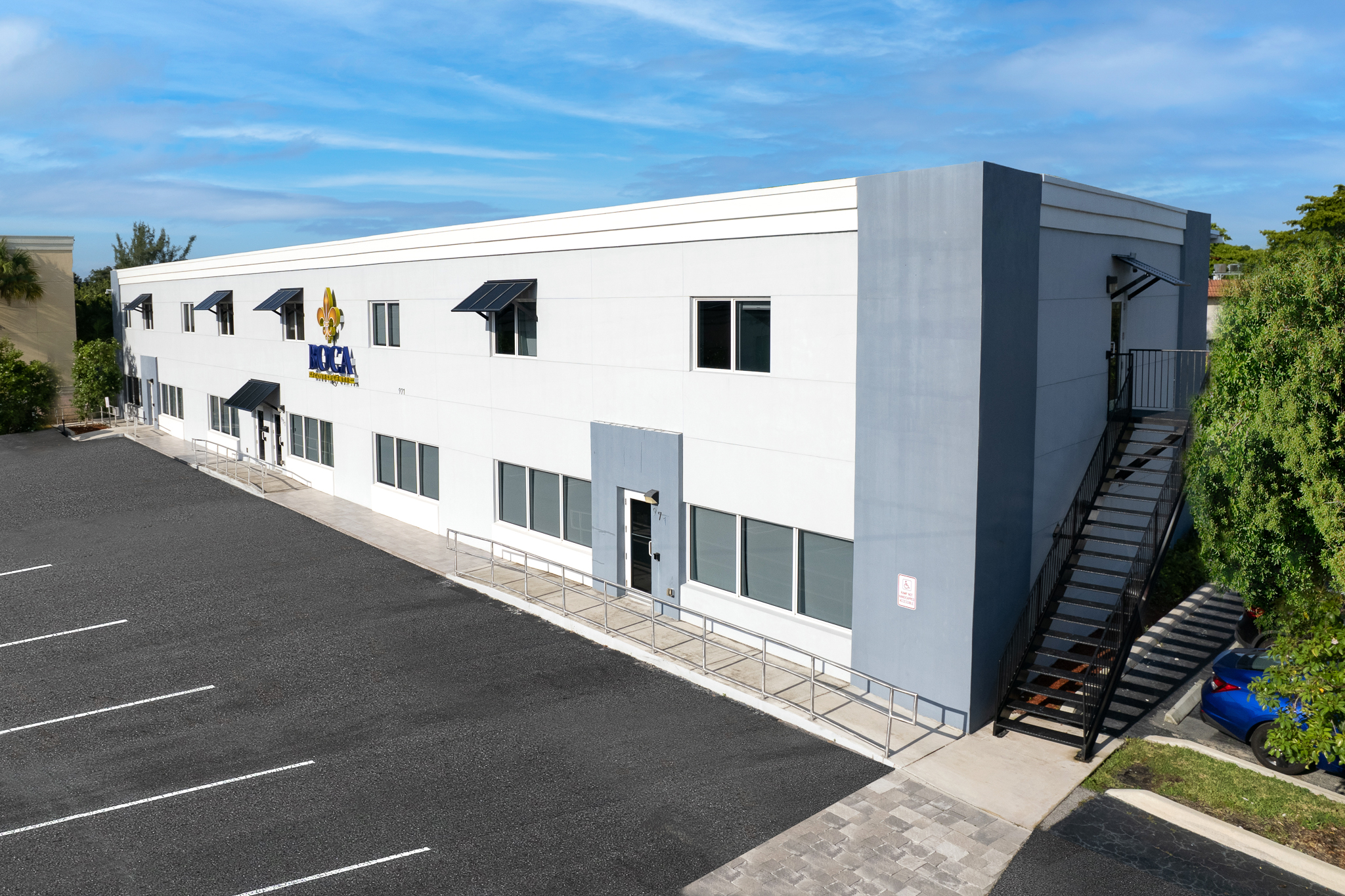
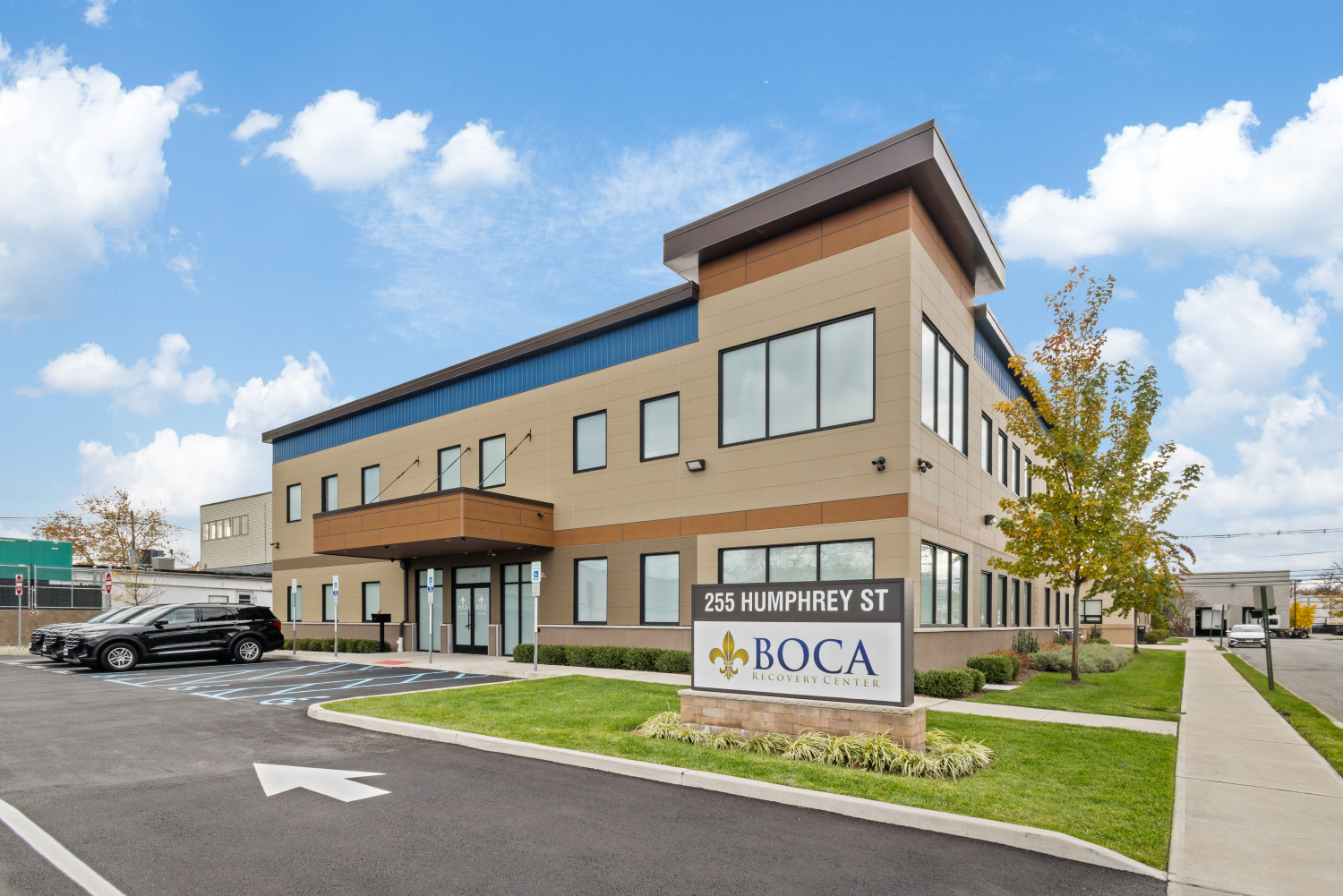
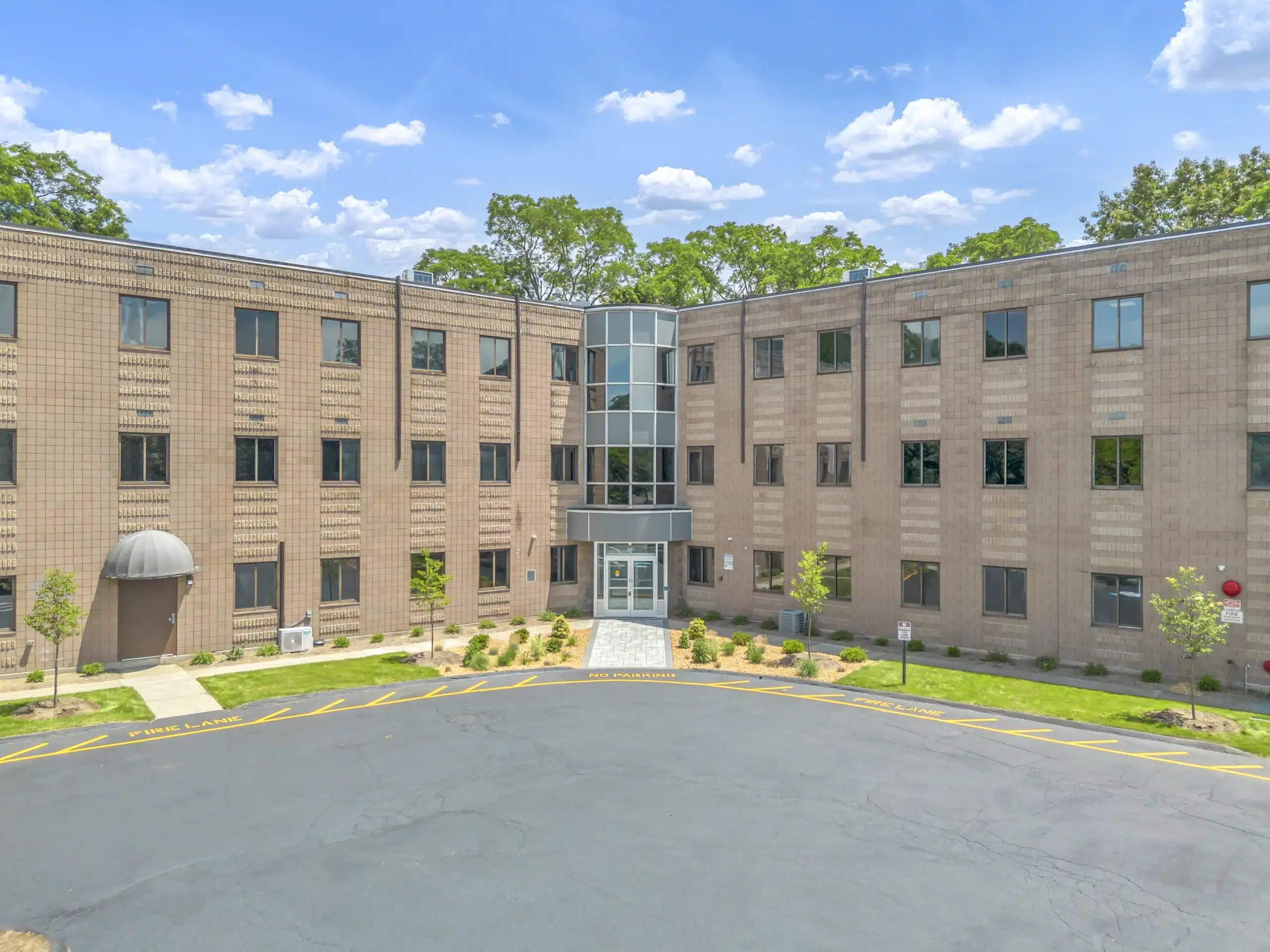
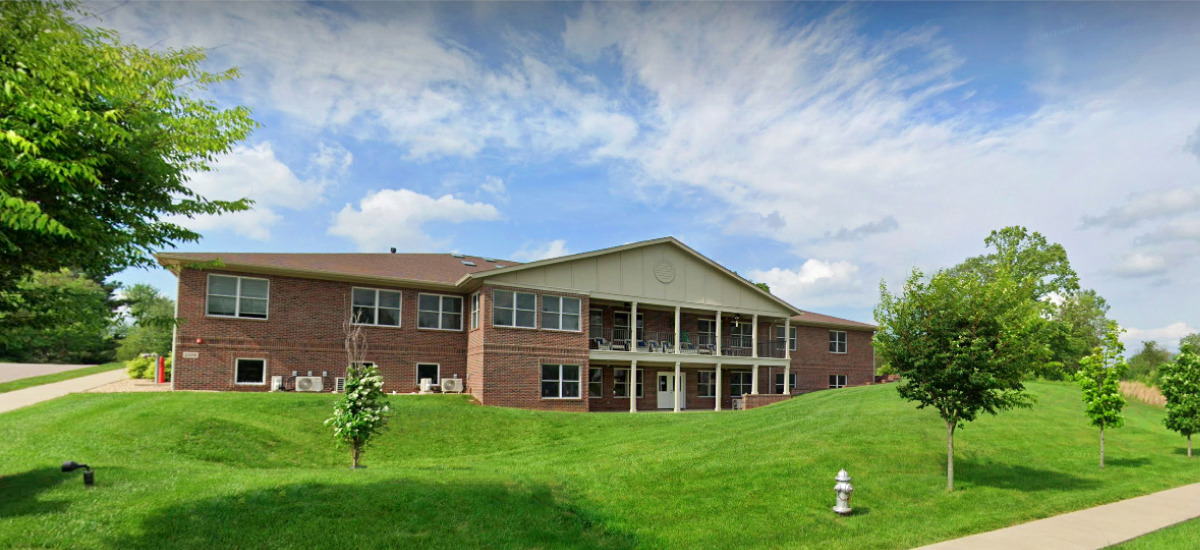
Our Addiction Treatment Centers
More Locations
Comprehensive Approaches to Xanax Addiction Treatment
Effective Xanax addiction treatment is not a single event. It’s a progression. The process is a journey with several important steps along the way.
The journey begins with detox. This is where medical stabilization happens. Healthcare professionals provide supervision and treatment to address withdrawal symptoms and any other medical concerns.
The next step is active treatment in a rehab program. During this time, you’ll address the emotional and psychological aspects of addiction and develop tools to prevent relapse. This typically occurs through individual and group therapy sessions and may include additional activities such as recreation therapy, nutrition therapy, or other specialized sessions based on your needs and interests.
Lastly, the journey moves on to maintenance. You’ll receive aftercare that provides ongoing support to help you maintain recovery long-term. This may include continued therapy and support groups.
While this journey is similar for all substance use disorders, benzodiazepine addiction poses specific challenges that are unique to Xanax addiction. It is crucial that treatment address these challenges, such as the risk of “rebound anxiety” and the need for psychological restructuring. These issues require more than a simple plan to break physical dependence on Xanax, which makes tailored Xanax treatment important for long-term success.
Can You Quit Xanax Cold Turkey?
Xanax is a type of benzodiazepine drug that is used in the treatment of anxiety and panic disorders. For so many, it’s a much needed relief from symptoms that add pain and hardship to their lives. But as a Schedule IV drug, Xanax (alprazolam) can potentially cause physical and psychological dependence, even after only short-term […]
In some individuals and under certain circumstances, Xanax can cause symptoms associated with depression, especially if it is used outside of prescription guidelines or without the recommendation of a medical professional. Xanax Use Xanax is a Schedule IV drug, which means that it does come with abuse potential even though it has legitimate medical use. […]
Xanax recovery can occur at various levels of care, based on your needs.
Inpatient/Residential Treatment
This is the most intensive level of care, offering 24/7 supervision. Residential treatment is particularly beneficial for long-term benzodiazepine users who face protracted withdrawal symptoms. It also offers an opportunity to remove yourself from environmental triggers and immerse yourself fully in a therapeutic community.
Partial Hospitalization Programs (PHP)
This is a “step down” from inpatient treatment. A PHP offers a high frequency of therapy sessions, similar to inpatient care, but you do not stay at the facility overnight. It allows you to begin reintegrating in the world as you engage in treatment but live in the community.
Intensive Outpatient Programs (IOP)
An IOP offers a more flexible option for those with mild to moderate addiction (requiring less supervision). It may also be chosen as a continuation of residential care. This type of treatment program allows for a balance of treatment with work/life responsibilities.
Evidence-Based Behavioral Therapies
During the treatment portion of your journey, clinicians may apply several therapeutic methods that have proven effective for treating Xanax addiction.
Cognitive behavioral therapy (CBT)
This is the gold standard for benzodiazepine addiction. This method of talk therapy challenges negative thought patterns to change behavior patterns. For Xanax addiction, it helps you identify the specific panic or anxiety triggers that led to Xanax use and teaches you healthy coping mechanisms to replace the drug.
Dialectical behavior therapy (DBT)
This type of talk therapy is effective for patients who are experiencing severe emotional dysregulation or co-occurring personality disorders. It helps you develop skills like distress tolerance and mindfulness, which are crucial for managing anxiety without pills.
Motivational interviewing (MI)
This is a client-centered approach that is used to resolve ambivalence about quitting Xanax. This can be an important step with Xanax addiction treatment, since it’s common to be hesitant about giving up pills that relieve anxiety.
Medical Management and Tapering
Xanax addiction treatment typically involves medications to manage symptoms and withdrawal and prevent relapse. Medically supervised tapering is an important part of this process.
Tapering
Xanax addiction treatment often includes a “long-tail” taper using longer-acting benzodiazepines (like Diazepam). This medically-supervised tapering process typically occurs over several weeks, with adjustments made as needed. This allows the brain chemistry to stabilize while you participate in ongoing therapy.
Non-Addictive Medication
One medical strategy applied during Xanax addiction treatment is to introduce non-narcotic alternatives (such as SSRIs, SNRIs, buspirone, or beta-blockers). These medications can manage the underlying anxiety disorder that Xanax was originally prescribed to treat, without the risk of addiction.
Post-Acute Withdrawal Syndrome (PAWS)
Xanax addiction can cause long-term symptoms such as insomnia and cloudiness, referred to as PAWS. Ongoing medical support to address these symptoms helps prevent relapse during this frustrating phase.
It is common for individuals to experience Xanax addiction alongside other mental health disorders like General Anxiety Disorder (GAD) or Panic Disorder. This is referred to as a dual diagnosis.
Treating Xanax addiction without addressing any underlying mental health condition usually leads to relapse. The most effective rehab programs treat both disorders simultaneously with integrated treatment (referred to as dual diagnosis treatment).
It is also important for Xanax addiction treatment to be trauma-informed. Many Xanax users are self-medicating past trauma. This makes trauma-focused therapies (like EMDR) a crucial part of the treatment plan.
Aftercare and Relapse Prevention
Your recovery journey doesn’t end when your initial treatment program is complete. Long-term recovery requires a strong relapse prevention plan. This typically includes three pillars:
Personalized relapse plan
Identify high-risk situations you will likely encounter (such as a panic attack). Map out safe responses you will make during those situations, so you’re prepared and can respond in a healthy way.
Peer support
Groups such as Narcotics Anonymous (NA) or anxiety support groups can offer life-changing encouragement and accountability to help you maintain long-term sobriety.
Holistic practices
Tools such as yoga, biofeedback, and mindfulness can naturally lower the baseline stress response. Establishing habits that incorporate these practices can reduce cravings for chemical relaxation.
Frequently Asked Questions
Is inpatient or outpatient rehab better for Xanax addiction?
The best option for each person depends on their severity of use and home environment stability. For those with little home-life stability and severe Xanax dependence, inpatient treatment is usually recommended.
How long does treatment for Xanax addiction last?
Standard Xanax addiction treatment lasts 30, 60, or 90 days. The tapering phase varies based on individual circumstances.
Can I treat Xanax addiction with therapy alone?
Because Xanax addiction involves physical dependence on the drug, medical supervision and treatment is necessary to address these physical issues. This should occur alongside therapy to address the mental and emotional aspects of Xanax addiction.
What is the success rate of Xanax addiction treatment?
When evidence-based protocols are followed, participants develop the tools they need to break free from Xanax addiction. With this type of effective treatment, many achieve successful outcomes for long-term recovery.
Find Treatment
Boca Recovery Centers offer accredited Xanax addiction treatment programs that follow you through the entire treatment journey. Our evidence-based methods include dual diagnosis treatment and intentional aftercare.
Contact us to learn more about your treatment options at any of our top-rated facilities.
Interested in addiction treatment? We’re here to help.