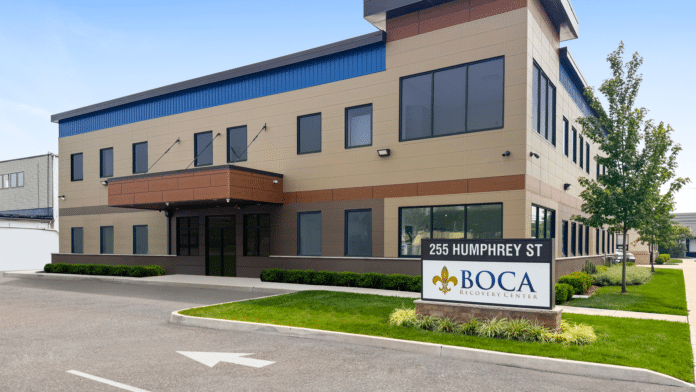
Medical Detox in Englewood, NJ


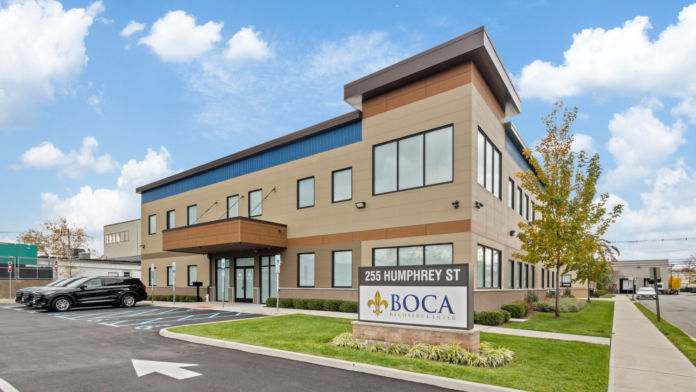

Medical Detox in Englewood: 24/7 Clinical Care
Medical detox treats withdrawal as a medical event: continuous nursing observation, physician-directed medications, and immediate intervention if symptoms turn dangerous. It is the safest way to stop using alcohol, benzodiazepines, opioids, and other substances that create physical dependence. Boca Recovery Center provides inpatient medical detox at its 40-bed Englewood, NJ facility, with 24-hour clinical care from the first hour of withdrawal.
What Makes Detox Medical
SAMHSA's clinical guidance breaks detox into three parts: evaluation, stabilization, and preparation for ongoing treatment. In practice, medical detox in Englewood means your vital signs are tracked around the clock, withdrawal symptoms are measured on clinical scales rather than guesswork, and medications, hydration, and nutrition are adjusted as your body responds.
That is the difference from unsupervised detox, where you simply stop and hope. With medical detox, complications are caught early and discomfort is treated instead of endured.
Which Substances Call for Medical Detox
Alcohol and benzodiazepines top the list because their withdrawal can cause seizures and, with alcohol, delirium tremens, which the National Library of Medicine describes as potentially life-threatening. Opioid withdrawal is rarely fatal but brings vomiting, diarrhea, and dehydration that often need medical support, and the risk of overdose runs high right after unmanaged opioid withdrawal. Stimulants and other substances are evaluated case by case at intake.
Medical Detox vs. Quitting on Your Own
Quitting unassisted fails for predictable reasons: withdrawal symptoms escalate, no medical help is on hand, and the fastest way to make symptoms stop is to use again. The National Institute on Drug Abuse adds that detox alone, without treatment after it, generally leads back to substance use. Medical detox answers both problems, managing withdrawal safely and connecting you directly to care. In Englewood, that continuum runs from detox through inpatient and residential treatment at one facility, minutes from the George Washington Bridge for clients coming from New York.
Frequently Asked Questions
What medications are used in medical detox?
It depends on the substance. Alcohol withdrawal is typically managed with FDA-approved medications that prevent seizures and ease symptoms, while other substances call for different protocols. Your medical team selects and adjusts medications based on your assessment and how your withdrawal progresses.
How long does medical detox take in Englewood?
Most clients complete acute detox within about a week, though the timeline depends on the substance, how long you used it, and your overall health. Your care team estimates your timeline during the intake evaluation and updates it daily.
Is medical detox the same as rehab?
No. Detox stabilizes your body; rehab addresses the patterns and conditions behind substance use. Federal health agencies are clear that detox alone is not treatment, which is why the Englewood program moves clients directly from detox into inpatient care at the same address, with the same clinical team.
Services
Medical detox services in Englewood center on constant clinical attention, from admission through your transition into treatment.
Round-the-clock vital sign checks and symptom scoring by the nursing team, with physicians directing changes to your protocol as withdrawal evolves.
FDA-approved medications reduce symptoms and help prevent complications, supported by hydration and nutrition when your body needs them.
Medical and psychiatric evaluation at intake identifies conditions such as anxiety, depression, or PTSD so they are treated alongside withdrawal, not after it.
Detox ends with a plan, not a discharge. Clients step directly into inpatient treatment at the Englewood facility, or the team helps plan and connect them to an outpatient level of care when that is the right next step.
Facility Staff

What to Expect
Medical detox at Boca Recovery Center Englewood follows a clear clinical arc from evaluation to treatment handoff.
A medical and psychological assessment on arrival establishes your substances, health risks, and withdrawal outlook, and sets your monitoring and medication plan.
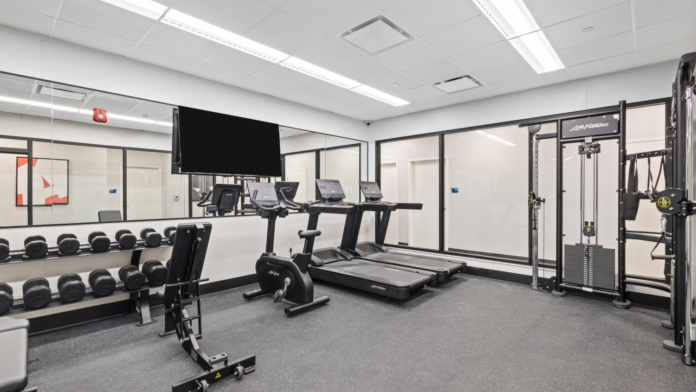
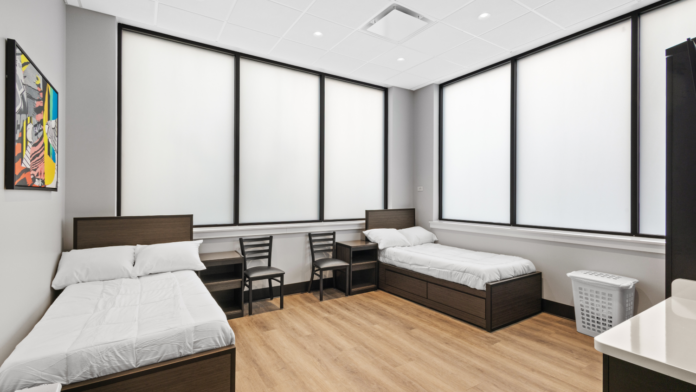
Nurses track your condition day and night while medications keep symptoms manageable. You rest in a private residential setting with prepared meals and quiet common areas, not a hospital ward.
Physicians and clinicians review your progress every day, adjusting medications, monitoring, and comfort measures as your withdrawal timeline unfolds.
Before detox ends, your team finalizes the next level of care, usually inpatient treatment at the same facility, so momentum carries straight into recovery.
Location Information
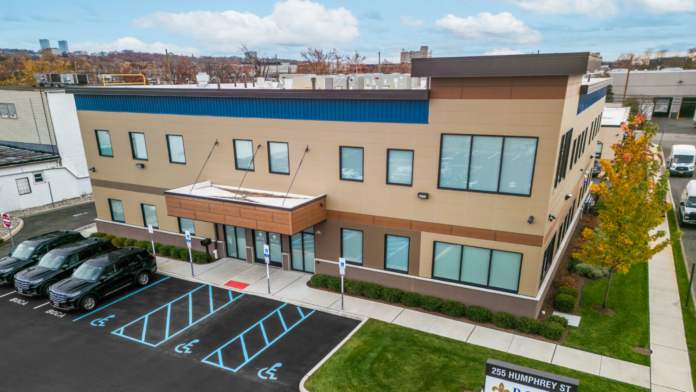
Medical Detox in Englewood, NJ255 Humphrey St, Englewood, NJ 07631
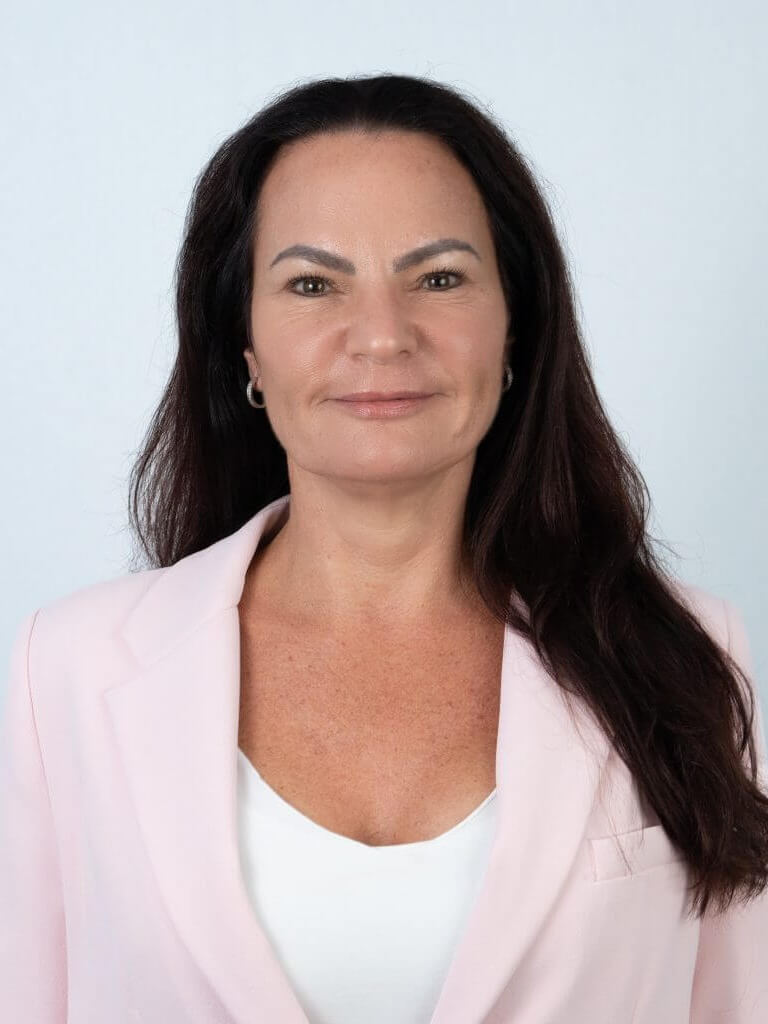
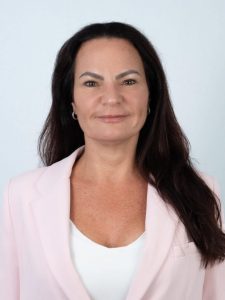
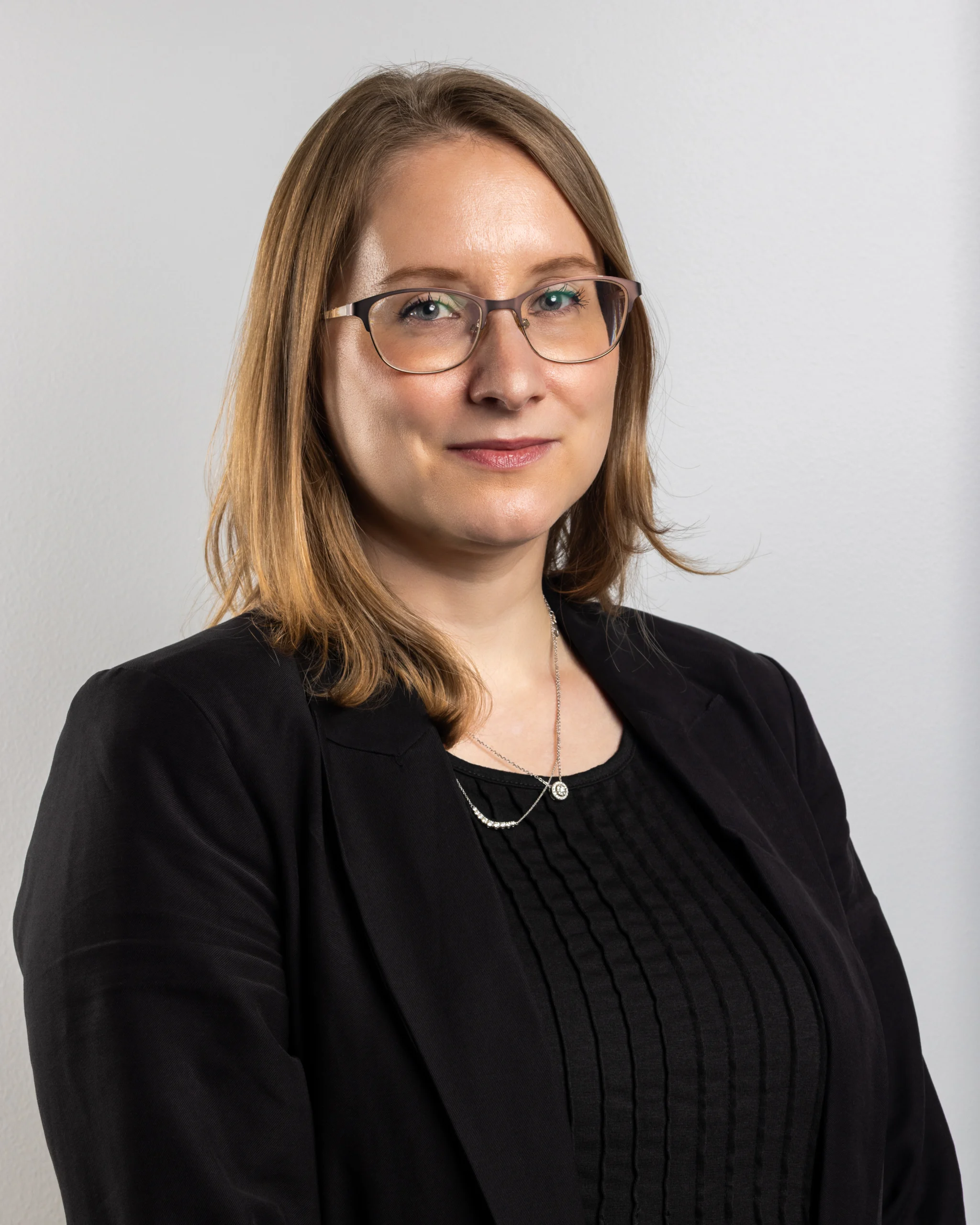
Dr. Alison Tarlow is a Licensed Clinical Psychologist in the States of Florida and Pennsylvania, and a Certified Addictions Professional (CAP). She has been a practicing psychologist for over 15 years... Read More